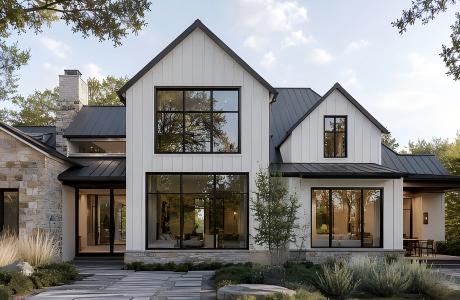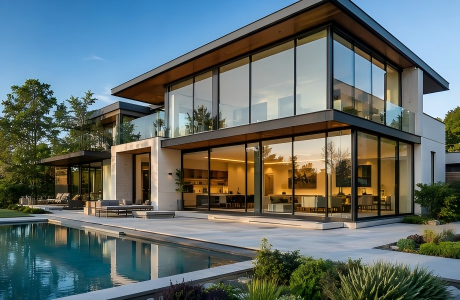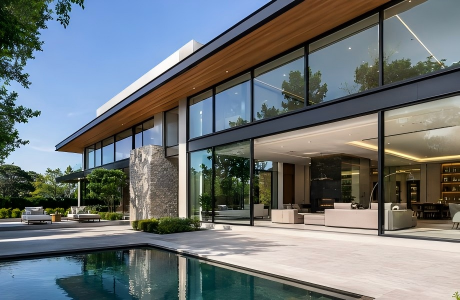
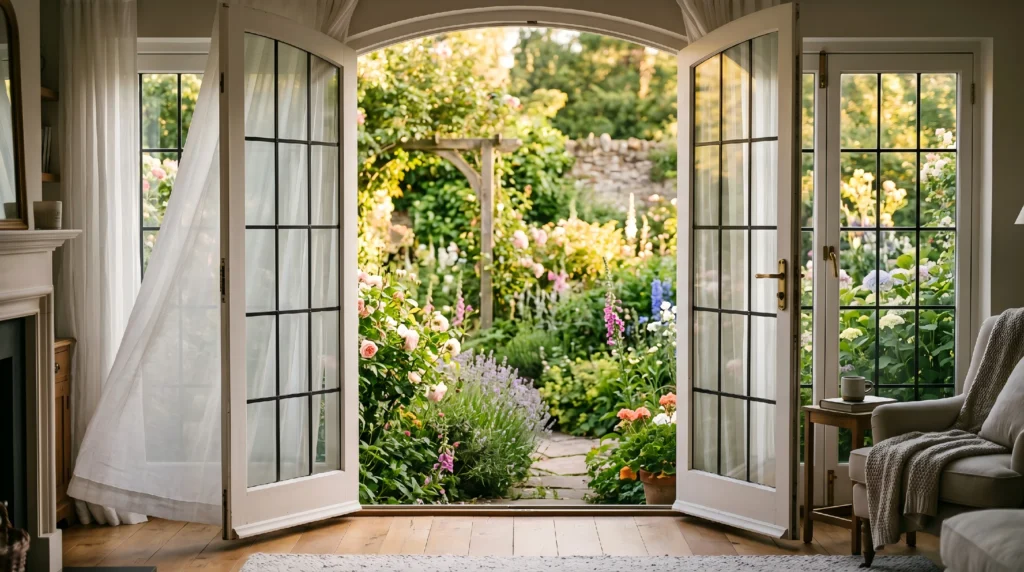
French doors are one of the most timeless architectural features for luxury homes, villas, apartments, hotels, and commercial spaces. Known for their full-height glass panels, elegant double-door appearance, and ability to bring more natural light into a room, French doors can instantly make a space feel brighter, more open, and more refined.
Whether you are planning a private villa renovation, sourcing doors for a residential development, or upgrading a commercial project, choosing the right French doors involves more than selecting a beautiful style. You also need to compare frame materials, glass performance, opening direction, security hardware, climate requirements, and long-term maintenance.
This 2026 buying guide explains what French doors are, the most popular styles, the best materials, and how to choose the right solution for your project.
Quick Answer: What Are French Doors?
French doors are hinged doors with large glass panels that usually extend through most of the door height. They are often installed in pairs, opening from the center to create a wide, elegant passage between indoor and outdoor spaces, or between two interior rooms.
In simple terms, French doors combine the function of a door with the light-transmitting beauty of a large window. They are commonly used for patios, balconies, gardens, dining rooms, living rooms, home offices, hotel suites, and luxury villa entrances.
Why French Doors Remain Popular in 2026
French doors continue to be popular because they solve both design and functional needs. They are not only decorative; they improve how a space feels and performs.
For residential projects, French doors can make living rooms, bedrooms, kitchens, and garden areas feel more open and connected. For commercial projects, they add a premium architectural detail that improves the guest experience in hotels, resorts, restaurants, showrooms, and private clubs.
Key benefits include:
- More natural light
- Better indoor-outdoor connection
- Elegant classic or modern appearance
- Improved ventilation when opened
- Higher perceived property value
- Flexible use for both interior and exterior spaces
- Custom options for luxury and commercial projects
For homeowners, French doors create a more comfortable and beautiful living environment. For builders and project managers, they help upgrade the overall visual value of a property.
A Brief History of French Doors
French doors originated in 17th-century France during the Renaissance period. At that time, natural daylight was extremely important because electricity did not exist. Architects wanted to bring more light into large homes, villas, and salons while still allowing people to move easily between rooms and gardens.
The result was a window-like door with multiple glass panels. Over time, this design became known as the French door.
Today, French doors have evolved far beyond traditional wood frames and divided glass panes. Modern versions can be made from aluminum, steel, fiberglass, wood, wood-clad materials, or slim-profile metal frames. They can look classic, transitional, minimalist, industrial, or ultra-luxury depending on the project style.
Main Types of French Doors
Different types of French doors are suitable for different layouts, budgets, and design goals. Before choosing a product, it is important to understand how each configuration works.
| Type | Description | Best For |
|---|---|---|
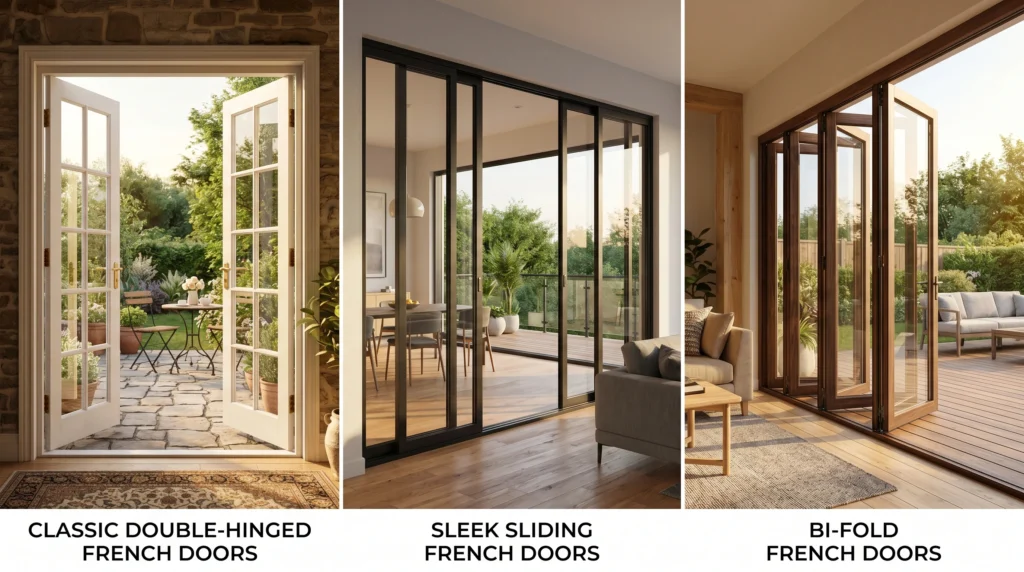
| Double-Hinged French Doors | Two door panels meet in the center; one or both panels can open. | Patios, gardens, dining rooms, villa entrances |
| Single French Door | One hinged glass door panel. | Small balconies, bedrooms, kitchens, narrow spaces |
| Sliding French Doors | Sliding panels with a French-door-inspired look. | Modern homes, wide openings, space-saving layouts |
| French Pocket Doors | Glass doors slide into the wall cavity. | Interior partitions, compact rooms, luxury suites |
| Bi-Fold French Doors | Multiple glass panels fold to one side. | Large openings, indoor-outdoor living areas |
| Center-Hinged French Doors | One fixed panel and one operable hinged panel. | Spaces with limited wall clearance |
Double French Doors
Double French doors are the most traditional and recognizable option. They usually feature two symmetrical panels that open from the center. This design creates a wide entrance and a strong visual focal point.
They are ideal for:
- Luxury villa patios
- Garden entrances
- Master bedrooms
- Dining rooms
- Living rooms
- Hotel suites
- High-end residential developments
Double French doors work especially well when the goal is to create a grand, elegant transition between indoor and outdoor spaces.
Single French Doors
A single French door gives you the same glass-panel appearance in a smaller format. It is a practical solution when the opening is narrow or when there is not enough space for a double-door system.
Single French doors are commonly used for:
- Bedroom balconies
- Side entrances
- Small patios
- Kitchens
- Home offices
- Apartment units
For developers or builders working with multiple room types, single French doors can provide a consistent design language without increasing the project cost too much.
In-Swing vs. Out-Swing French Doors
French doors can open inward or outward. The right choice depends on room layout, weather conditions, safety requirements, and local building preferences.
In-Swing French Doors
In-swing French doors open into the room. They are common in many residential projects because they keep the exterior area clear.
Best for:
- Patios with limited outdoor space
- Covered balconies
- Traditional home layouts
- Areas with mild weather
The main disadvantage is that they require interior floor clearance. Furniture placement must be planned carefully.
Out-Swing French Doors
Out-swing French doors open toward the exterior. They save indoor space and can provide better weather resistance when properly sealed.
Best for:
- Rooms with limited interior space
- Coastal or windy areas
- High-performance exterior applications
- Projects requiring better air and water sealing
For luxury villas and coastal projects, out-swing doors are often worth considering because wind pressure can help press the door more tightly against the weatherstripping.
Interior vs. Exterior French Doors
Interior and exterior French doors may look similar, but their technical requirements are very different.
Interior French Doors
Interior French doors are mainly used to divide spaces while keeping visual openness. They are often installed between:
- Living room and dining room
- Bedroom and study
- Kitchen and pantry
- Home office and hallway
- Hotel bedroom and lounge area
Interior French doors do not need the same level of insulation or weatherproofing as exterior doors. Design, glass transparency, frame style, and acoustic control are usually the main considerations.
Popular interior options include:
- Clear glass French doors
- Frosted glass French doors
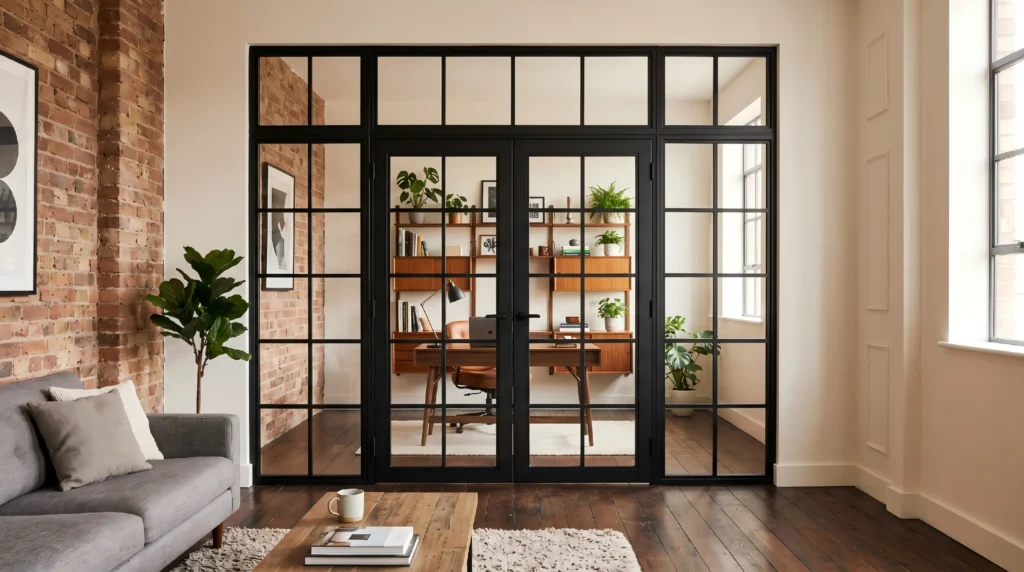
- Black metal French doors
- Wood French doors
- Slim-frame aluminum glass doors
Exterior French Doors
Exterior French doors need stronger performance. They must resist weather, improve energy efficiency, and provide reliable security.
Important features include:
- Insulated glass
- Low-E glass
- Argon-filled glass options
- Multi-point locking system
- Strong weatherstripping
- Durable threshold
- Anti-corrosion hardware
- Thermal break frame design
- Proper drainage and sealing system
For commercial or high-end residential projects, exterior French doors should be selected based on climate, wind load, project location, usage frequency, and long-term maintenance expectations.
Best Frame Materials for French Doors
The frame material affects appearance, durability, insulation, price, and maintenance. There is no single best material for every project. The right choice depends on your design style, climate, budget, and project positioning.
| Material | Advantages | Limitations | Best For |
|---|---|---|---|
| Wood | Classic, warm, premium, good natural insulation | Requires maintenance; may warp in humid climates | Luxury traditional homes, villas, heritage-style projects |
| Fiberglass | Durable, low maintenance, can mimic wood, good insulation | Higher upfront cost than vinyl | Coastal homes, luxury residential projects |
| Vinyl | Affordable, moisture-resistant, low maintenance | Fewer premium finishes; less structural rigidity | Budget-conscious residential projects |
| Steel | Strong, secure, slim industrial look | Can rust if not properly finished | Commercial spaces, industrial-style interiors |
| Aluminum | Slim, strong, modern, suitable for large glass panels | Needs thermal break for better insulation | Modern villas, apartments, hotels, commercial projects |
| Wood-Clad | Wood interior with weather-resistant exterior | Higher cost | Luxury homes requiring beauty and performance |
Wood French Doors
Wood French doors offer a rich, natural appearance that is difficult to replace. They are often selected for traditional villas, luxury homes, classical interiors, and high-end residential projects.
Wood provides excellent warmth and character, but it requires regular maintenance. In humid or coastal environments, wood may expand, contract, or warp if not properly treated.
Best for:
- High-end villas
- Classic interiors
- Traditional homes
- Projects where natural texture is important
Aluminum French Doors
Aluminum French doors are increasingly popular in modern architecture. They allow slim frames, larger glass areas, and clean lines. For luxury villas, apartments, hotels, and commercial spaces, aluminum is often chosen for its modern appearance and structural strength.
For exterior applications, thermally broken aluminum is strongly recommended. A thermal break reduces heat transfer and improves energy performance.
Best for:
- Modern luxury homes
- Commercial buildings
- Hotels and resorts
- Large glass openings
- Minimalist interiors
Fiberglass French Doors
Fiberglass French doors are a strong option for homeowners and project managers who want durability with lower maintenance. They can imitate the look of wood while resisting moisture, rot, and weather damage.
Best for:
- Coastal climates
- Humid areas
- Long-term residential projects
- Energy-efficient homes
Fiberglass usually costs more than basic vinyl, but it offers better durability and long-term value.
Steel French Doors
Steel French doors are often used for security-focused or industrial-style designs. They can create a strong architectural look, especially when paired with large glass panels and black frames.
However, steel requires proper anti-rust treatment, especially in coastal or humid environments.
Best for:
- Commercial interiors
- Restaurants
- Showrooms
- Industrial-style homes
- Secure entry points
Glass Options for French Doors
Glass is one of the most important parts of a French door. It affects natural light, privacy, insulation, safety, and appearance.
Common glass options include:
| Glass Type | Main Benefit | Recommended Use |
|---|---|---|
| Clear Glass | Maximum light and visibility | Patios, gardens, living rooms |
| Frosted Glass | Better privacy | Bathrooms, bedrooms, offices |
| Low-E Glass | Better energy efficiency | Exterior French doors |
| Tempered Glass | Improved safety | Residential and commercial projects |
| Laminated Glass | Better security and sound control | Hotels, villas, urban homes |
| Double-Glazed Glass | Improved insulation | Exterior applications |
| Decorative Glass | More visual character | Luxury homes, boutique projects |
For exterior French doors, double-glazed Low-E glass is usually a better long-term choice than single glass. For commercial or hotel projects, laminated glass can improve both safety and acoustic comfort.
French Doors vs. Sliding Doors
Many buyers compare French doors with sliding doors. Both can connect indoor and outdoor areas, but they create different experiences.
| Feature | French Doors | Sliding Doors |
|---|---|---|
| Opening Style | Hinged, swinging panels | Sliding panels |
| Appearance | Classic, elegant, architectural | Modern, simple, space-saving |
| Ventilation | Wide opening when both panels open | Usually opens partially |
| Space Requirement | Needs swing clearance | Saves floor space |
| Best For | Luxury homes, patios, gardens, formal spaces | Compact rooms, wide modern openings |
Choose French doors when you want elegance, symmetry, and a more traditional architectural statement. Choose sliding doors when space-saving and wide glass views are the main priority.
For some modern projects, sliding French doors can combine both advantages: the visual style of French doors with the space-saving function of sliding systems.
How to Choose French Doors for Your Project
Before ordering French doors, consider the following factors.
Project Type
A private villa, apartment building, hotel, restaurant, and commercial showroom may all require different specifications.
For luxury villas, design matching and premium materials are important.
For commercial projects, durability, delivery schedule, safety standards, and batch consistency are more important.
Location and Climate
Climate affects frame and glass selection.
For coastal areas, choose corrosion-resistant frames and hardware.
For hot climates, Low-E insulated glass can reduce heat gain.
For cold regions, thermal break frames and double glazing are recommended.
For windy areas, sealing performance and opening direction should be carefully reviewed.
Opening Size
Large openings may require stronger frames, thicker glass, and reinforced hardware. Aluminum, steel, or engineered systems may be better for oversized designs.
Interior Design Style
French doors should match the whole space, not just the wall opening.
For example:
- Modern villas: slim aluminum or black metal frames
- Classic homes: wood or wood-clad French doors
- Luxury interiors: bronze, champagne, or custom metal finishes
- Hotels and resorts: durable, easy-maintenance materials
Budget and Long-Term Value
The lowest price is not always the best value. For exterior doors, poor sealing, weak hardware, or low-quality glass can lead to water leakage, heat loss, noise problems, and future replacement costs.
A good French door should balance:
- Appearance
- Durability
- Energy performance
- Security
- Maintenance
- Installation compatibility
- Project budget
French Door Sourcing Checklist for Builders and Project Managers
For builders, designers, and procurement teams, French door sourcing is not just about choosing a product picture. You need to confirm the full technical and supply chain details before production.
Use this checklist before placing an order:
- Confirm opening size and wall thickness
- Choose in-swing or out-swing design
- Confirm frame material and surface finish
- Select glass type and thickness
- Confirm grille or muntin design
- Check lock system and handle style
- Review weatherproofing requirements
- Confirm thermal performance requirements
- Check hardware corrosion resistance
- Review shop drawings before production
- Confirm packaging method
- Plan shipping and delivery schedule
- Coordinate installation with other building materials
This is especially important for overseas sourcing, where communication, production control, and logistics can directly affect the final project timeline.
Why Sourcing French Doors Can Be Difficult
For homeowners, contractors, developers, and project managers, sourcing French doors internationally can be challenging. You may need to communicate with several factories, compare different specifications, inspect quality, arrange shipping, and coordinate installation schedules.
Common problems include:
- Inconsistent product quality
- Wrong measurements
- Delayed production
- Unclear shop drawings
- Poor packaging
- Damaged goods during shipping
- Mismatched finishes between doors, windows, flooring, and cabinets
- Communication delays with multiple suppliers
- Hidden costs in logistics and customs
For a single product, these issues may be manageable. But for a full villa, hotel, apartment, or commercial project, they can create serious delays and extra costs.
How George Homes Helps You Source French Doors and More
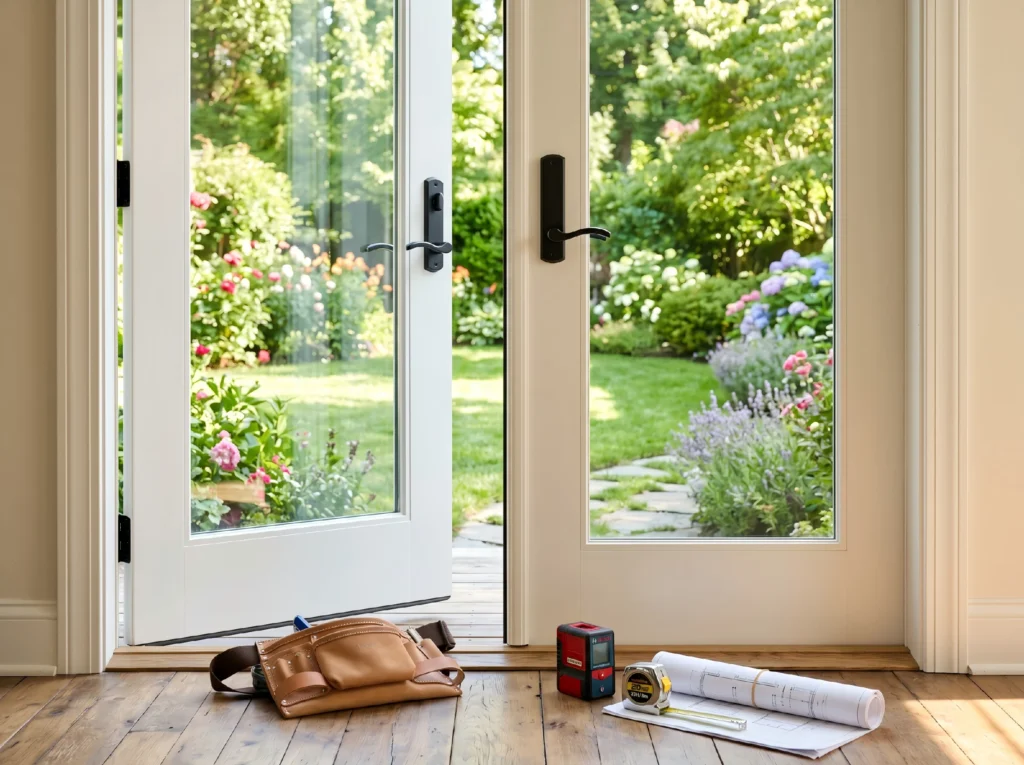
George Homes provides one-stop building project solutions for luxury residential and commercial projects. Instead of sourcing doors, windows, flooring, staircases, kitchen cabinets, wardrobes, sanitary ware, marble, lighting, furniture, and appliances from separate suppliers, you can coordinate your project through one experienced team.
Our goal is to help homeowners, builders, designers, and project managers reduce sourcing risk, save time, and create a more consistent final design.
What We Can Support
George Homes can help you coordinate:
- Doors and windows
- French doors and patio doors
- Flooring and staircase materials
- Kitchen cabinets and wardrobes
- Bathroom sanitary ware
- Marble and granite
- Lighting
- Furniture
- Appliances
- Project materials and supplies
- Custom design matching
- Packaging and shipping coordination
Why Work With George Homes
With 20 years of experience in global building material supply, George Homes understands both design expectations and project execution.
When you work with us, you get:
A dedicated project manager
One contact helps coordinate communication, production updates, and project details.
Custom design matching
We help match French doors with windows, flooring, kitchen cabinets, wardrobes, staircase materials, marble, lighting, and furniture.
Factory coordination
We help reduce the difficulty of dealing with multiple suppliers.
Quality control support
We help check specifications, finishes, packaging, and production details before shipment.
One-stop sourcing
You can save time by sourcing multiple product categories through one coordinated solution.
Global project support
From product selection to logistics planning, we help make the procurement process smoother.
Recommended French Door Solutions by Project Type
| Project Type | Recommended French Door Solution |
|---|---|
| Luxury Villa | Wood-clad, thermally broken aluminum, or custom solid wood French doors |
| Modern Apartment | Slim aluminum French doors or sliding French doors |
| Coastal Home | Fiberglass or thermally broken aluminum with corrosion-resistant hardware |
| Hotel Suite | Laminated glass French doors with durable frames |
| Restaurant or Café | Steel or aluminum French doors with large glass panels |
| Home Office | Interior black metal or frosted glass French doors |
| Commercial Showroom | Large-format aluminum or steel glass French doors |
Are French Doors Worth It?
Yes, French doors are worth it when they are properly selected for the project. They can improve natural light, ventilation, room flow, and the overall value of a property. For luxury homes and commercial spaces, they also create a stronger design impression.
However, the final result depends heavily on material quality, glass selection, hardware, installation, and supplier reliability. A beautiful French door with poor sealing or weak hardware can create problems later.
That is why buyers should not only compare appearance and price. They should also review performance, durability, customization, and sourcing support.
Final Buying Tips Before You Order
Before you purchase French doors, make sure you have answers to these questions:
- Will the doors be used indoors or outdoors?
- What climate conditions must they handle?
- Do you need in-swing or out-swing operation?
- What frame material best matches your project?
- Do you need Low-E, tempered, laminated, or double-glazed glass?
- What security hardware is required?
- Do the doors need to match windows, flooring, kitchen cabinets, or staircases?
- Who will check the shop drawings before production?
- How will the doors be packaged and shipped?
- Who will coordinate the full project sourcing process?
The more details you confirm before production, the fewer risks you will face during installation.
Ready to Source French Doors for Your Project?
Choosing the right French doors can transform a space. They bring in natural light, connect indoor and outdoor areas, and add timeless elegance to luxury homes, villas, hotels, apartments, and commercial projects.
But choosing the right supplier is just as important as choosing the right style.
At George Homes, we help you source French doors and coordinate complete one-stop building material solutions for your project. Whether you need custom doors and windows, kitchen cabinets, wardrobes, flooring, staircases, sanitary ware, marble, lighting, furniture, or appliances, our team can help you match the design and manage the sourcing process more efficiently.
Get your free project quote today.
Contact George Homes to request our 2026 product catalog, discuss your French door specifications, or schedule a showroom visit.
FAQ About French Doors
French doors usually feature large glass panels that allow more natural light to pass through. Regular doors are often solid or have smaller glass sections. French doors are commonly used to create a brighter, more open connection between spaces.
Yes. French doors can be customized by size, frame material, color, glass type, grille pattern, handle style, lock system, opening direction, and surface finish. For luxury homes and commercial projects, custom French doors are often recommended.
Yes. Exterior French doors are a popular choice for patios, gardens, balconies, and terraces. For outdoor use, choose insulated glass, strong weatherstripping, durable hardware, and a frame material suitable for your climate.
The best material depends on your project. Wood is ideal for classic luxury interiors. Aluminum is excellent for modern designs and large glass panels. Fiberglass performs well in humid or coastal climates. Steel is strong and suitable for commercial or industrial-style spaces.