In modern commercial and high-end residential architecture, the demand for sustainable, energy-efficient building materials is non-negotiable. For project managers, builders, and contractors, selecting the right fenestration systems is critical to passing stringent energy codes while maintaining aesthetic appeal. One of the most significant advancements in this space is the development of thermal break windows.
If you are sourcing materials for a villa, a luxury apartment complex, or a commercial high-rise, understanding what thermal break aluminum windows are and how they outperform traditional framing is essential for maximizing project ROI.
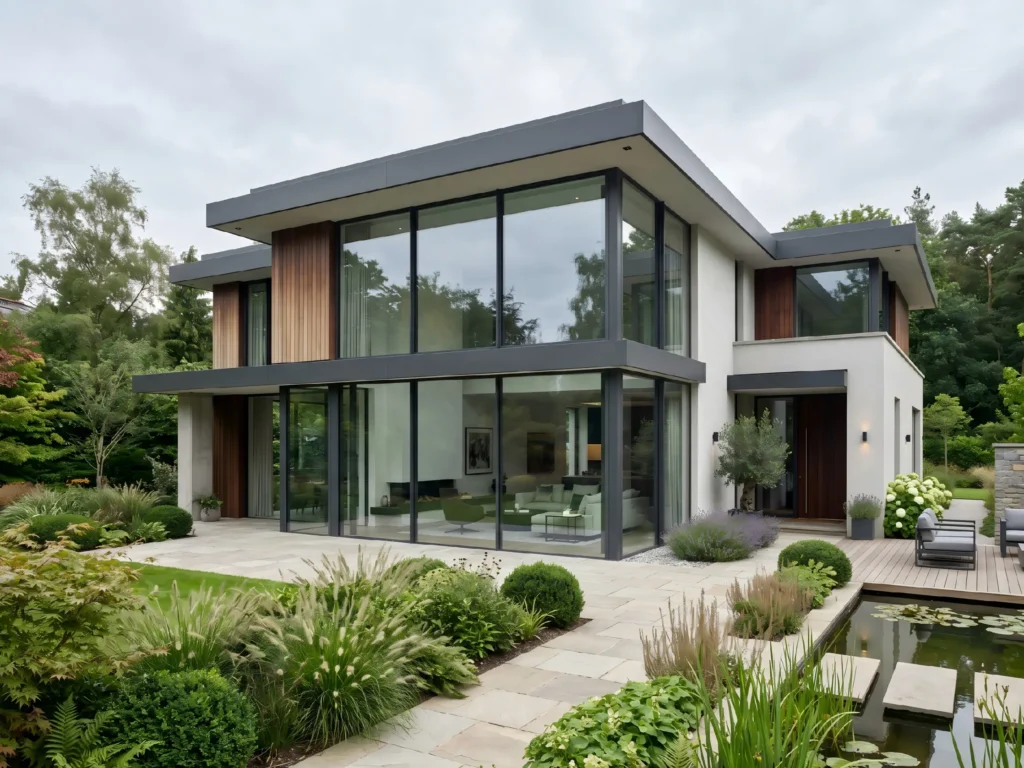
The Core Definition: What Does “Thermal Break” Mean?
To understand thermal break technology, we first have to look at the primary material used in modern window frames: aluminum. Aluminum is incredibly strong, lightweight, and highly customizable, making it the preferred choice for contemporary architecture. However, aluminum is also a highly conductive metal, meaning it transfers heat and cold very easily.
A “thermal break” is a continuous barrier between the inside and outside aluminum window frames that prevents conductive thermal energy loss.
The Science Behind the Innovation
In standard aluminum windows, the cold outside temperature travels directly through the metal frame to the interior, forcing heating systems to work harder. In summer, the reverse happens, letting unwanted heat inside.
To solve this, a structural insulator—typically a polyamide plastic strut—is mechanically crimped between the interior and exterior aluminum profiles. This creates a “break” in the thermal transfer path. Polyamide has a thermal conductivity hundreds of times lower than aluminum, effectively halting the transfer of temperature.
The Anatomy of a Thermal Break Window
A high-quality thermal break aluminum window consists of three main components:
- Exterior Aluminum Profile: Engineered to withstand harsh weather, UV rays, and external impacts.
- The Polyamide Insulating Strip (Thermal Break): The core barrier that stops thermal bridging.
- Interior Aluminum Profile: Often customized to match interior aesthetics, keeping the indoor climate stable and comfortable.
Why Top Builders and Contractors Choose Thermal Break Windows
For large-scale construction projects, the initial investment in premium materials must yield long-term benefits. Here is why thermal break aluminum windows are specified by top architects worldwide.
Exceptional Energy Efficiency (Lower U-Values)
The primary metric for measuring window insulation is the U-value (the rate of heat transfer). Thermal break windows significantly lower the U-value of the entire window unit. By keeping the interior glass and frame closer to the room’s temperature, these windows drastically reduce reliance on HVAC systems, leading to massive long-term energy savings and compliance with global green building standards (such as LEED or passive house certifications).
Superior Condensation Prevention
Condensation is a major pain point in high-end villas and commercial spaces, often leading to mold, damaged finishes, and compromised structural integrity. Because the interior frame of a thermal break window remains close to room temperature, moisture from the indoor air does not easily condense on the frame, ensuring a dry, healthy environment.

Acoustic Insulation & Soundproofing
Urban residential projects require more than just thermal control; they require peace and quiet. The dense polyamide strip acts as a dampener for acoustic vibrations. When combined with double or triple-glazed glass, thermal break windows provide exceptional soundproofing, effectively blocking out street noise, traffic, and urban clamor.
Unmatched Durability and Structural Integrity
Unlike UPVC, which can warp in extreme heat, or wood, which requires constant maintenance, aluminum is virtually indestructible. The structural polyamide strips used in thermal break profiles have similar expansion and contraction rates to aluminum. This means the frame maintains its structural integrity without bending, cracking, or degrading over decades of use.
Data Comparison: Thermal Break Aluminum vs. Traditional Materials
To help project managers make data-driven decisions, the table below compares thermal break aluminum against other common framing materials across key performance metrics.
| Material | Energy Efficiency | Lifespan | Maintenance | Structural Strength |
| Thermal Break Aluminum | Excellent | 40+ Years | Very Low | Excellent (Supports large glass) |
| Standard Aluminum | Poor | 40+ Years | Very Low | Excellent |
| UPVC (Vinyl) | Good | 15-25 Years | Low | Moderate (Prone to warping) |
| Solid Wood | Good | 30+ Years | High | Good (Requires treatment) |
Seamless Integration in High-End Building Projects
At George Homes, we understand that building materials must do more than perform well—they must look flawless. The minimalist design of thermal break profiles aligns perfectly with the “Quiet Luxury” aesthetic that is currently dominating high-end architectural design.
Because the interior and exterior frames are separated by the thermal break, they can be finished in completely different colors (dual-color framing). This allows the exterior to match your building’s Marble & Granite facade, while the interior can be customized to seamlessly complement your indoor Kitchen & Wardrobe designs, ensuring complete visual harmony from the Flooring & Staircase to the Lighting fixtures.
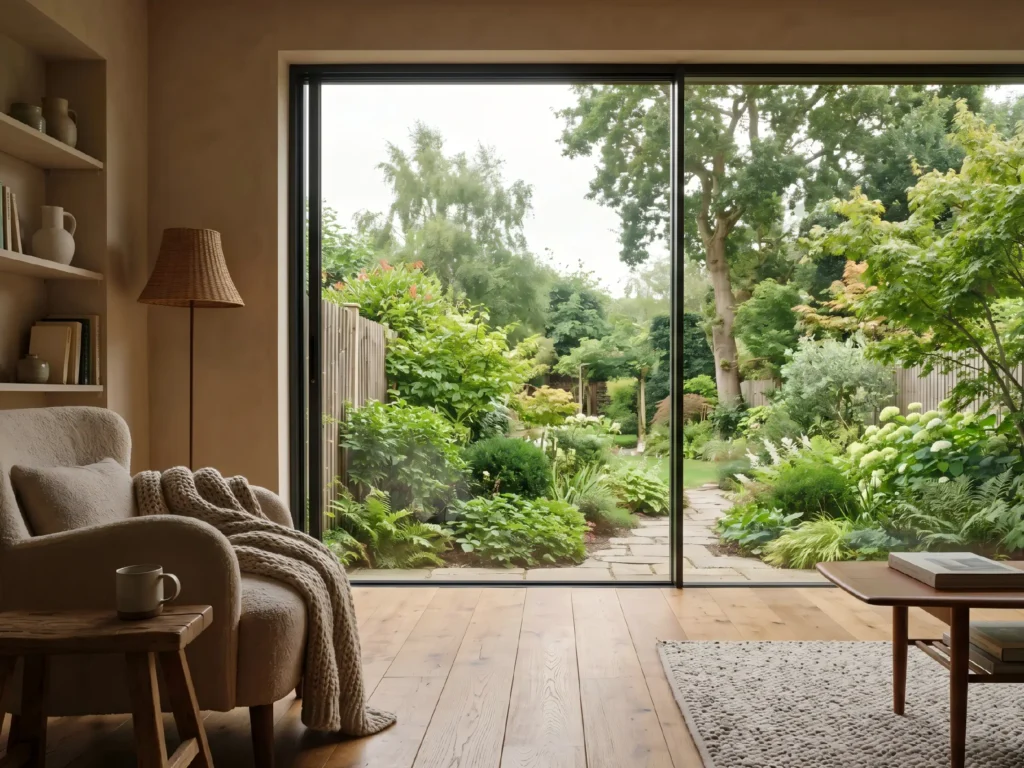
For instance, when designing luxury homes, specifying sleek, dark-framed Doors & Windows can beautifully offset custom cabinetry in your Laundry Rooms and Kitchen Cabinets, all of which fall seamlessly under our comprehensive Kitchen & Wardrobe solutions.
Solving the Sourcing Pain Points for Project Managers
Sourcing materials for a large-scale project is notoriously stressful. Dealing with multiple uncoordinated factories often leads to mismatched finishes, delayed shipments, and massive logistical headaches.
The George Homes Advantage eliminates this friction. As a top-tier supplier with 20 years of experience, we provide a true One-Stop Building Project Solution.
- Dedicated Project Manager: You will never be bounced between departments. A Dedicated Project Manager will oversee your entire order—from Tile and Sanitary ware to the final Furniture Collection.
- Design-First Approach: We provide expert design support to ensure all technical specifications (including precise window measurements and U-value requirements) are met flawlessly.
- Global Offline Showrooms: We invite our B2B partners and villa owners to visit our global offline showrooms to touch, feel, and experience the premium quality of our materials firsthand before making a commitment.
Frequently Asked Questions (FAQ)
Conclusion & Next Steps for Your Project
Choosing thermal break windows is an investment in the longevity, sustainability, and aesthetic value of your building project. They offer the structural superiority of aluminum without the thermal drawbacks, making them the ultimate choice for modern contractors and builders aiming for excellence.
Ready to elevate your next project with premium fenestration?
Stop juggling multiple suppliers. Let George Homes streamline your supply chain with our One-Stop Building Project Solutions.
Send us your floor plans or Bill of Quantities (BOQ) today for a fast, comprehensive quote.
Contact your Dedicated Project Manager directly via WhatsApp or email us to schedule a visit to our offline showroom!
References:
- U.S. Department of Energy – Energy Efficient Window Types: energy.gov/energysaver/window-types
- National Fenestration Rating Council (NFRC) – Understanding U-Factor: nfrc.org