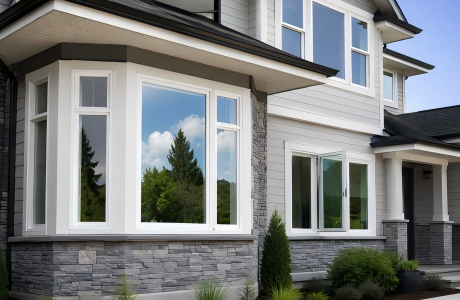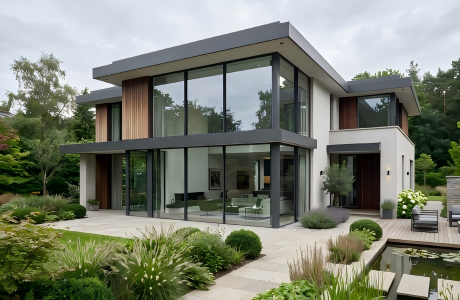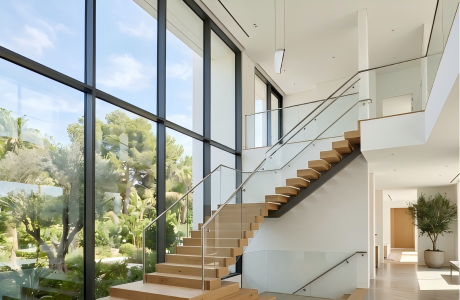
When constructing a high-end villa or managing a complex commercial build, true luxury is defined by the details. While grand architectural statements capture immediate attention, it is the meticulous execution of foundational elements—like window sills and their accompanying trims—that ensures long-term structural integrity and aesthetic cohesion.
Whether you are aiming for the refined, minimalist elegance of “Quiet Luxury” or the ornate grandeur of historical architecture, selecting the right materials is paramount. As a top-tier supplier with 20 years of experience, George Homes provides a One-Stop Solution for Building Materials and Furniture, ensuring that every detail of your project aligns flawlessly.
The Crucial Role of Window Sills in High-End Projects
A window sill is far more than a simple ledge at the base of a window frame. Structurally, it serves as a critical barrier against moisture, directing rainwater away from the building’s facade and preventing structural rot.
Aesthetically, window sills act as the visual anchor for your Doors & Windows systems. Poorly integrated sills can lead to severe thermal bridging, resulting in heat loss and increased energy costs. For overseas project managers and contractors, ensuring that the window sill materials perfectly match the building’s thermal and design requirements is a non-negotiable step in the procurement process.
Popular Materials: The Timeless Appeal of Wood Sills Window
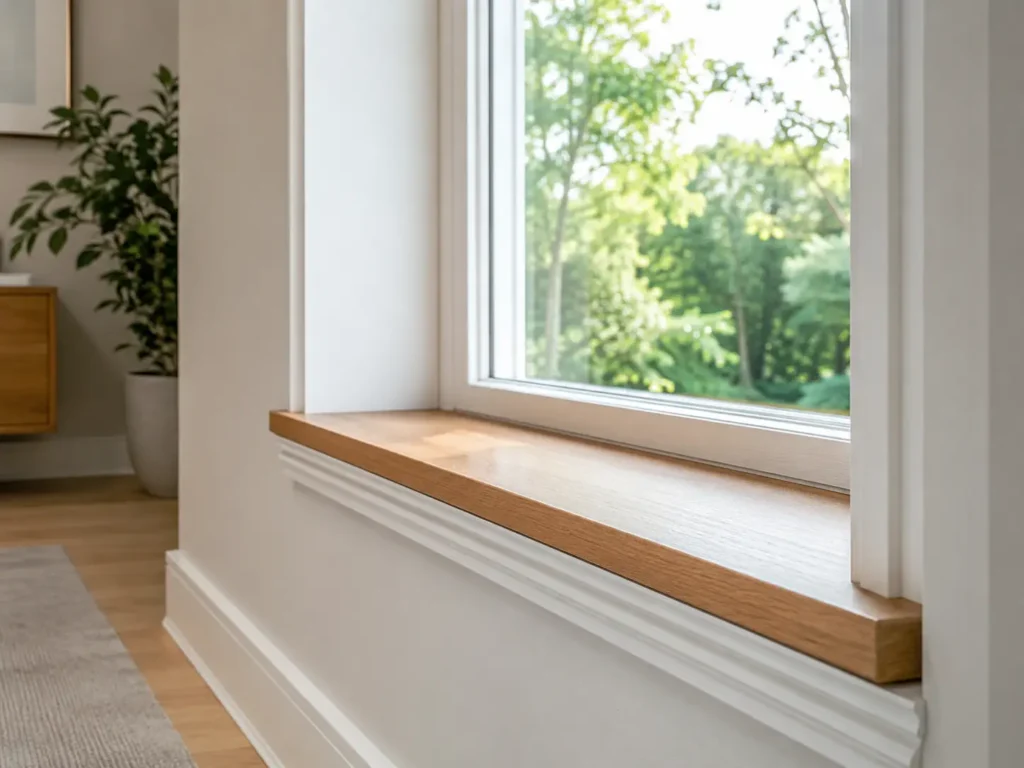
While premium Marble & Granite offer an undeniably luxurious and waterproof solution for interior settings, the classic warmth and architectural versatility of wood remain highly sought after for bespoke residential projects.
Incorporating a wood sills window design brings a natural, organic texture that softens modern interiors and perfectly complements both classic and contemporary facades. When properly treated and sealed, high-grade wood sills provide excellent insulation properties.
Here is a breakdown of the most popular wood species used in high-end sill construction:
| Wood Species | Durability | Aesthetic Profile | Best Application |
| White Oak | Extremely High | Prominent grain, takes stain beautifully | Interior and exterior (with heavy sealing) |
| Mahogany | Very High | Rich, dark reddish-brown, elegant | Luxury interiors, historical restorations |
| Pine | Moderate | Light color, easy to paint | Interior window sill trim |
| Teak | Exceptional | Golden-brown, naturally water-resistant | Exterior sills, high-moisture climates |
Mastering Window Sill Trim for Flawless Finishing
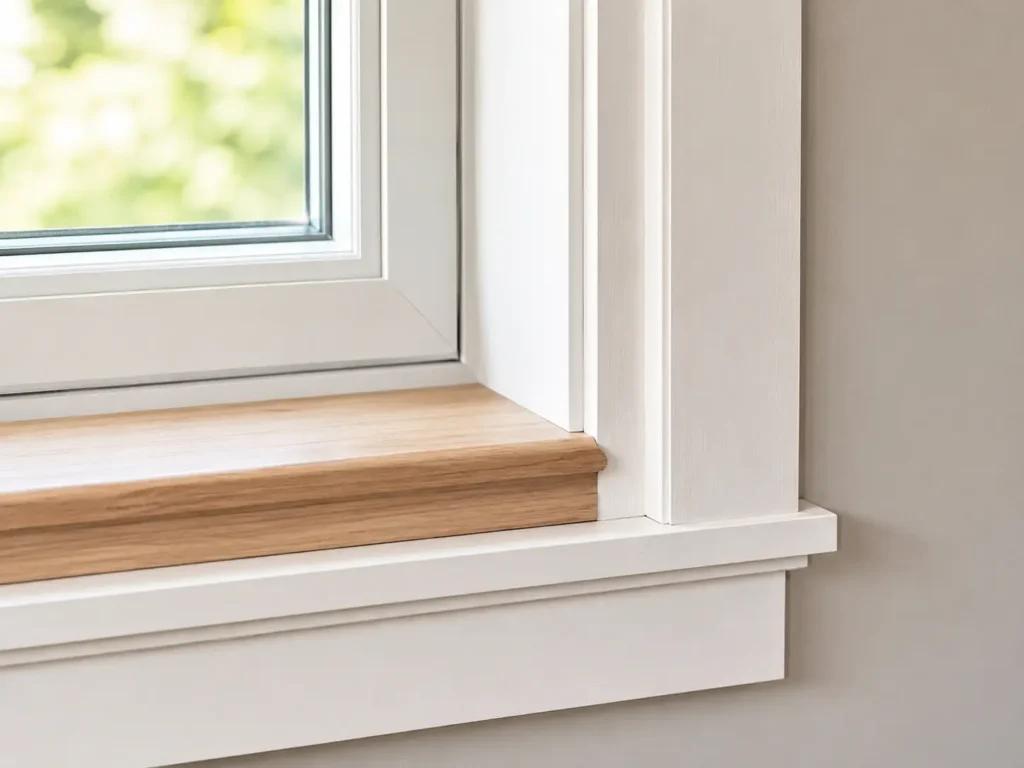
The sill itself is only one component of the architectural equation. To achieve a polished, high-end look, builders must master the window sill trim.
The trim encompasses the casing that surrounds the window, framing the view and hiding the structural joints between the window unit and the wall. In contemporary designs leaning toward minimalism, a sleek, flat window sill trim seamlessly blends the window into the wall. In contrast, traditional projects often require deep, layered trims that command attention. Choosing the correct trim ensures that your windows transition smoothly into your interior Tile and Flooring & Staircase selections, creating a unified spatial experience.
Deep Dive: The Elegance of Victorian Style Window Sills
For restoration projects or new builds aiming to capture historical grandeur, the Victorian architectural style demands highly specific detailing.
Interior Victorian Style Window Sill
An interior victorian style window sill is characterized by its dramatic depth and intricate millwork. These sills are typically wider, designed to accommodate heavy, layered drapery or serve as functional display ledges. The accompanying trim often features complex cove moldings, bullnose edging, and fluted casings that reflect a commitment to traditional craftsmanship.
Crafting the Perfect Victorian Style Window Sill Outside
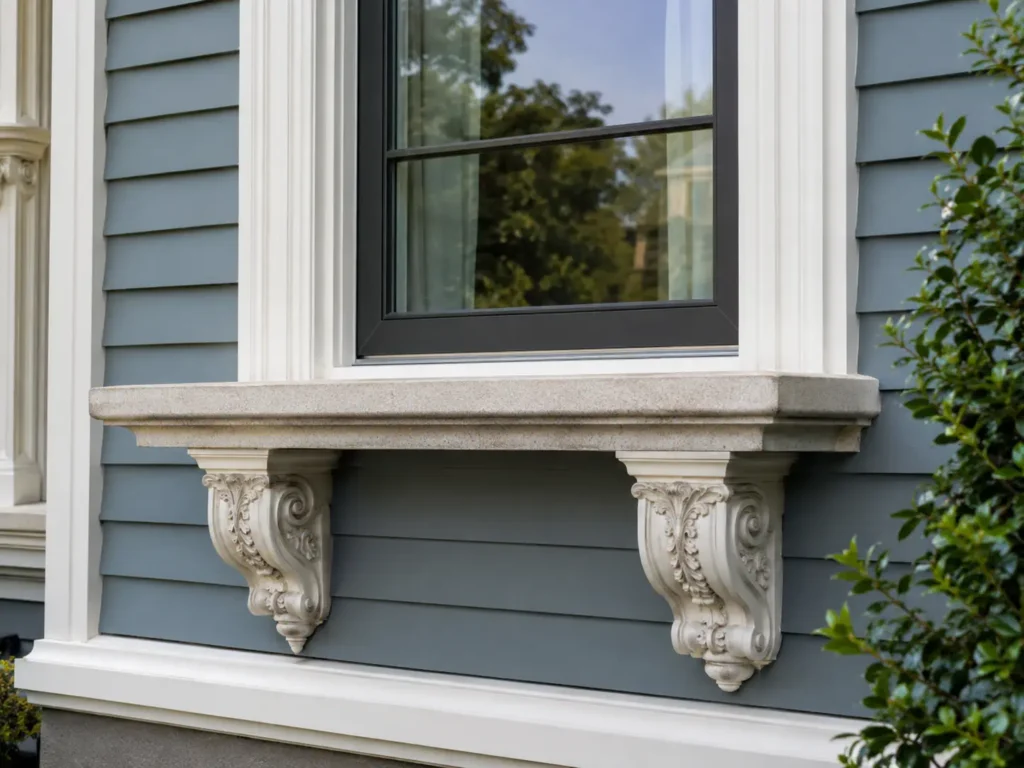
The exterior facade of a Victorian property requires robust architectural elements to shed heavy rainfall while maintaining stylistic authenticity. A victorian style window sill outside is frequently constructed from heavy stone, cast concrete, or thick, treated timber.
Key features of a victorian style window sill outside include:
- Steep Pitch: An aggressive angle to ensure rapid water runoff.
- Corbels and Brackets: Decorative supports beneath the sill that add visual weight and historical accuracy.
- Pronounced Drip Grooves: Essential millwork on the underside of the sill to prevent water from rolling back into the masonry.
Streamline Your Sourcing with George Homes
Managing a large-scale international build often means wrestling with the pain point of coordinating dozens of different factories. Inconsistencies in quality, delayed timelines, and mismatched materials can derail a project.
George Homes eliminates this friction. By offering custom design capabilities and a comprehensive One-Stop Solution, we consolidate your supply chain. From precision-engineered Doors & Windows to complete Kitchen & Wardrobe systems—including bespoke kitchen cabinets and fully integrated laundry rooms—we ensure flawless aesthetic continuity across your entire property.
When you choose to partner with us, we will assign you a dedicated Project Manager to oversee your order from start to finish—ensuring that your products are delivered on time, remain strictly within budget, and fully meet all your specific requirements.
Frequently Asked Questions (FAQs)
Bring Your Architectural Vision to Life
Choosing the right architectural details, from the perfect window sill trim to custom cabinetry, dictates the final quality of your build. Stop managing multiple unreliable suppliers and streamline your procurement process with an industry leader.
Contact George Homes today to connect with your Dedicated Project Manager. Send us your floor plans and project requirements to receive a comprehensive, customized quotation.
Ready to elevate your project?
Reach out to our team now via WhatsApp or submit a Quote Request on our website to start building with uncompromising quality.
References:
- International Residential Code (IRC) – Window Fall Protection and Sill Heights: ICC Safe
- Architectural Details and Historical Woodwork Restorations: NPS Preservation Briefs