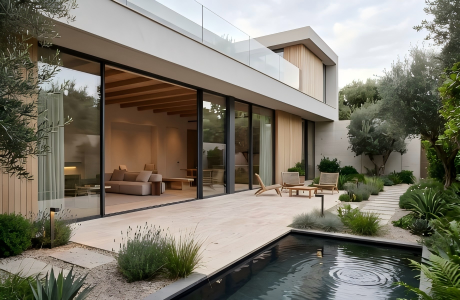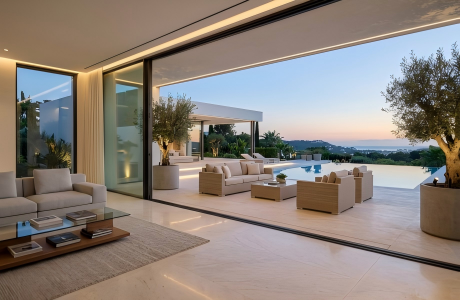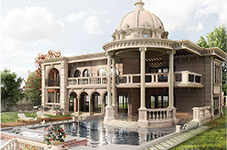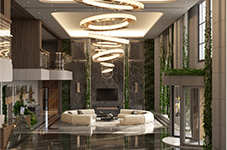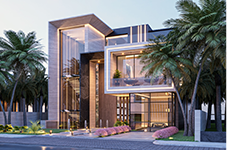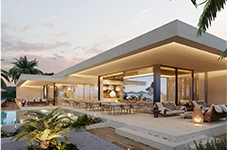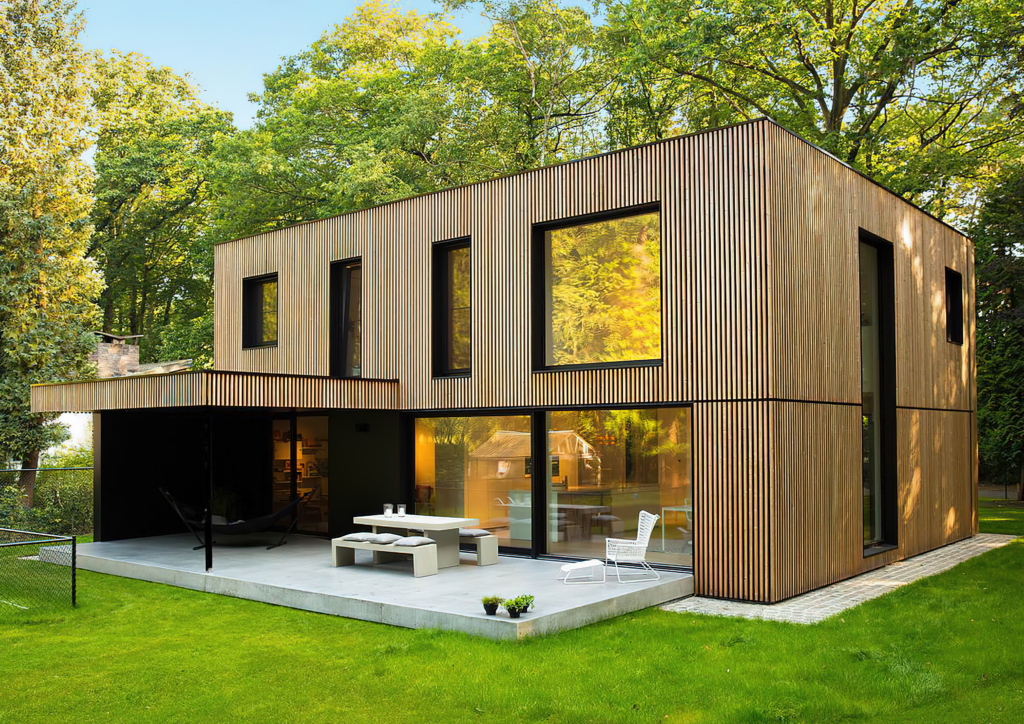
As architectural trends continue to shift toward “Quiet Luxury” and minimalist aesthetics, developers, architects, and luxury property owners are demanding more from their building envelopes. It is no longer just about framing a view; it is about seamless integration, superior airflow, and uncompromising performance.
In 2026, Casement Windows with Built-in Screens have emerged as the definitive standard for high-end residential and commercial projects. Here is why industry leaders are making the switch, and how this upgrade impacts both design integrity and project valuation.
Understanding the Basics: What is a Casement Window?
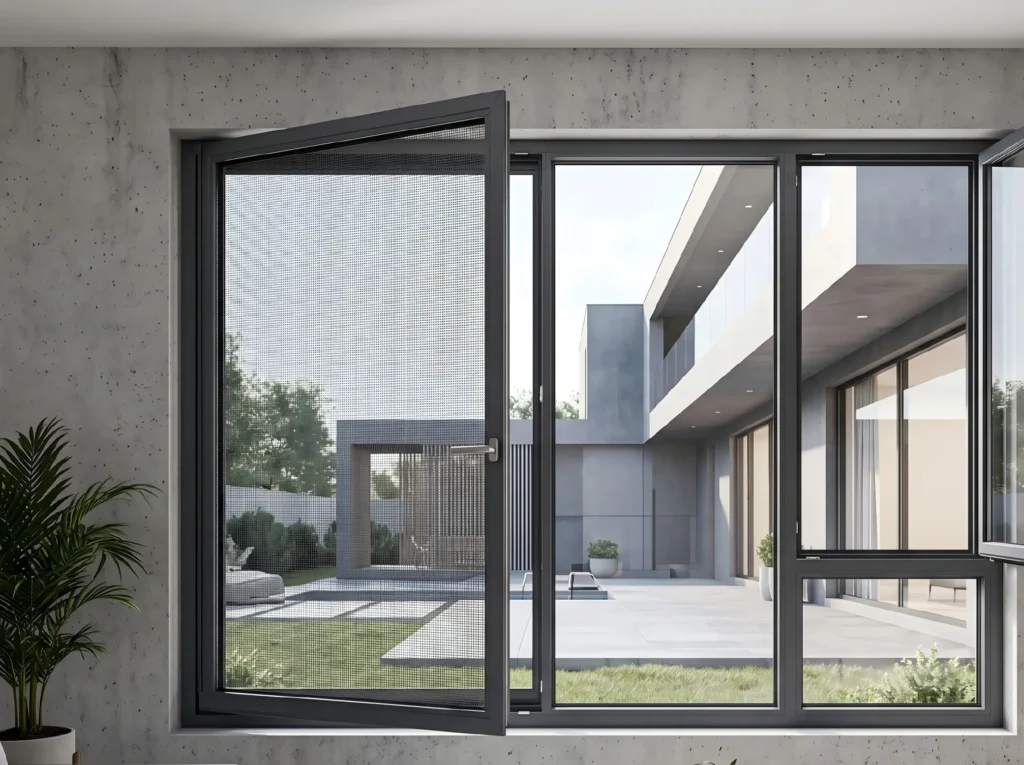
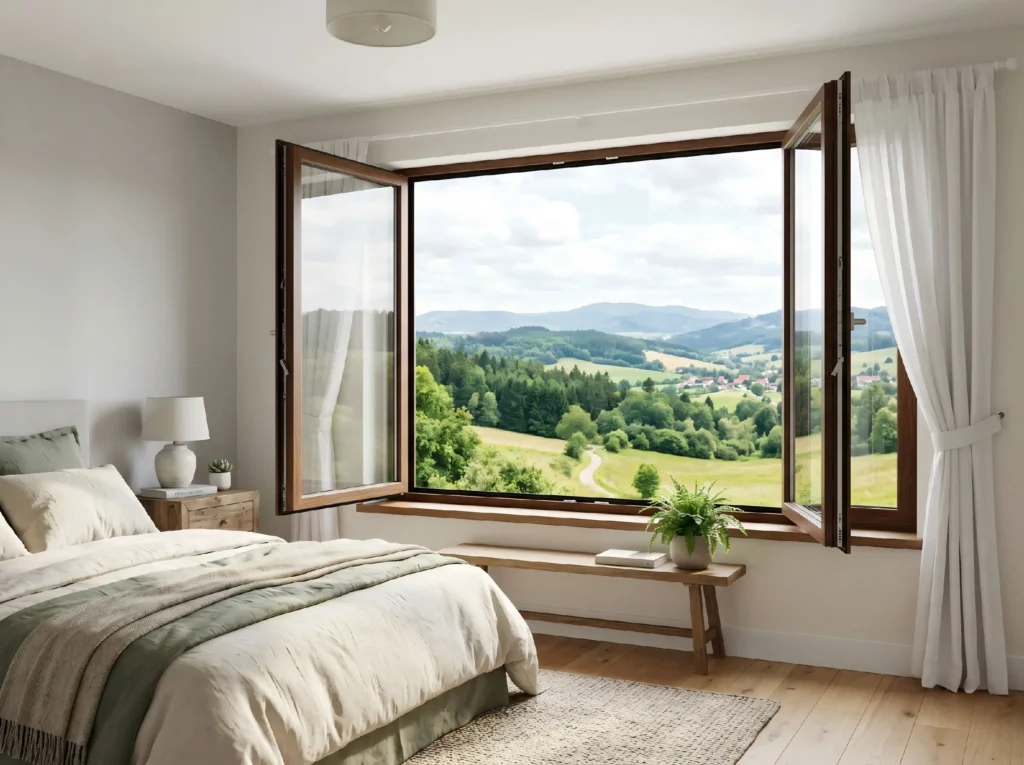
For those evaluating fenestration options for large-scale projects, defining the mechanics is the first step. What is a casement window? Simply put, it is a window attached to its frame by one or more hinges at the side. Operated typically by a crank, lever, or cam handle, they swing outward like a door.
Unlike sliding or double-hung windows, casement windows open entirely, offering unobstructed views and functioning as a wind scoop to direct fresh air into the interior. They are a staple in our premium Doors & Windows collections, providing an airtight seal that significantly outperforms traditional sliding mechanisms in terms of energy efficiency.
The Evolution of 2026: The Rise of Casement Windows with Built-in Screens
Standard casement windows are highly efficient, but traditional aftermarket screens often disrupt their sleek appearance. The 2026 solution is the fully integrated screen system.
Seamless Design Meets “Quiet Luxury”
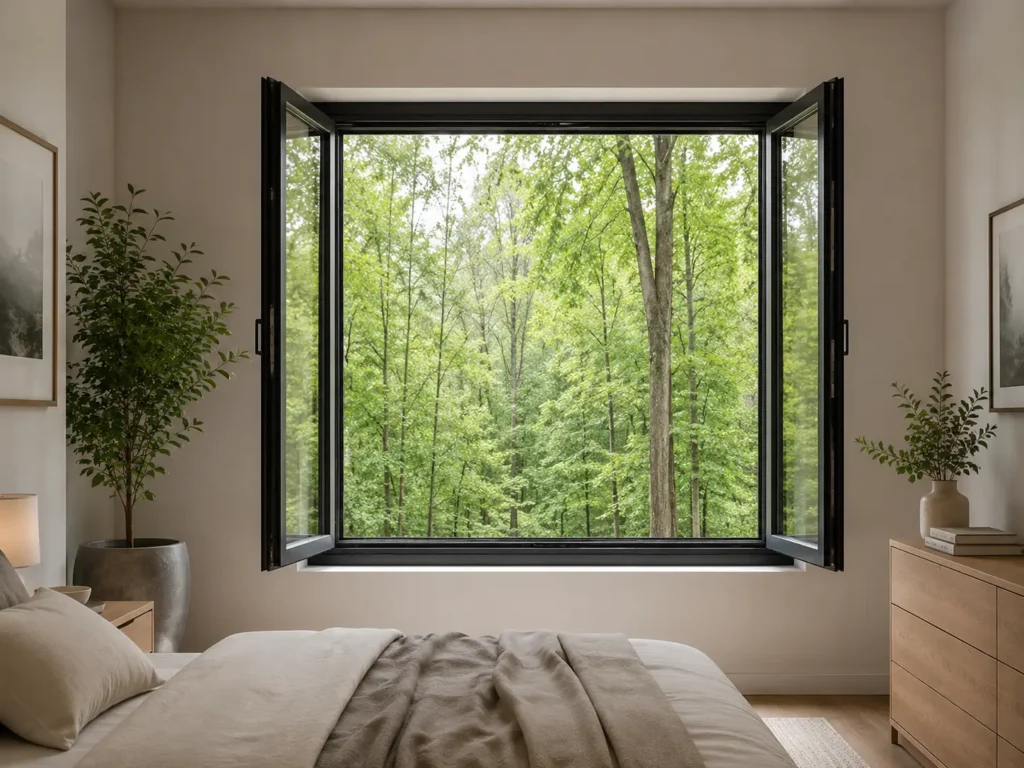
High-end commercial constructions and luxury villas require flawless visual flow. Built-in screens are engineered into the window frame itself. When closed, the screen retracts or is entirely hidden, eliminating the clunky, dark mesh that plagues standard windows. This perfectly aligns with modern, minimalist interior designs where every detail must feel intentional and refined.
Maximized Ventilation and Structural Integrity
By integrating the screen during the manufacturing process, the window maintains its optimal aerodynamic profile. The heavy-duty hinges and precision-engineered tracks ensure that even in high-wind zones, the Casement Windows with Built-in Screens operate smoothly without screen rattling or structural compromise.
Reduced Maintenance for Property Managers
For B2B buyers managing multi-unit developments or hospitality projects, maintenance is a massive cost factor. Retractable or built-in screens are protected from harsh weather, UV degradation, and physical damage when not in use. This drastically reduces the replacement cycle and long-term upkeep costs.
Performance Breakdown: Standard Windows vs. Integrated Screen Casement Windows
When presenting a Bill of Quantities (BOQ) to stakeholders, data is crucial. Here is how integrated systems compare to traditional setups.
| Feature / Metric | Standard Casement + Add-on Screen | Casement Windows with Built-in Screens | Commercial Benefit |
| Aesthetic Impact | Visible mesh, bulky exterior frame | Hidden tracks, zero visual obstruction | Increases property appeal and interior natural lighting |
| Pest Protection | Prone to gaps over time | Factory-sealed, seamless integration | Essential for hospitality and luxury villa projects |
| Energy Efficiency (U-Value) | Moderate; bulky screens can disrupt seal | High; structural integrity maintained | Lowers HVAC costs; meets strict 2026 energy codes |
| Longevity & ROI | Screen replacement every 3-5 years | Lasts the lifetime of the window frame | Reduces OPEX for property managers and developers |
Safety, Codes, and Compliance: The Egress Casement Window
A critical factor for contractors and architects is meeting the International Building Code (IBC) for safety. Bedrooms and basements require emergency escape routes.
An egress casement window is uniquely suited for this. Because the entire sash opens outward, it provides the maximum net clear opening area without requiring a massive wall cutout. When paired with a built-in, easily retractable screen, it guarantees that in the event of an emergency, the exit path is completely unobstructed, ensuring rapid compliance and passing rigid safety inspections.
Overcoming Procurement Friction: The One-Stop Building Solution Advantage
Procuring premium fenestration often involves a fragmented supply chain—coordinating with window manufacturers, screen suppliers, and hardware vendors. This multi-vendor friction leads to delayed timelines, budget overruns, and inconsistent quality.
At George Homes, we eliminate this headache. As your one-stop engineering solution provider, we integrate your Doors & Windows seamlessly with the rest of your project needs, from custom Kitchen & Wardrobe layouts to Furniture Collections.
When you partner with us, you are assigned a Dedicated Project Manager who oversees everything from CAD/BIM refinement to global logistics. We ensure that the minimalist aesthetic you design is exactly what arrives on site. We also invite our international clients to visit our 10,000 sqm mega-showroom in Foshan to experience the “Quiet Luxury” quality firsthand.
Frequently Asked Questions (FAQ)
Industry References & Structural Standards
- International Building Code (IBC) 2024/2026: Guidelines for emergency escape and rescue openings (Egress compliance).
- AAMA/WDMA/CSA 101/I.S.2/A440: North American Fenestration Standard for rating the performance of windows, doors, and skylights.
Ready to Elevate Your Next Project?
Stop managing multiple vendors and start building with confidence. Whether you are finalizing blueprints for a luxury villa or sourcing for a commercial development, our team provides expert design support and one-stop sourcing.
Send us your BOQ or project drawings today for a free, comprehensive quotation.
👉Please contact your dedicated Project Manager by clicking the WhatsApp icon in the bottom right corner, or send us an email. You are welcome to take an online virtual tour of our showroom in Foshan; naturally, we also cordially invite you to visit our physical showroom in Foshan, China, in person. Let George Homes help you turn your architectural vision into reality.