In large-scale industrial construction, every architectural specification directly impacts long-term operational efficiency, structural security, and overall project ROI. For overseas project managers, general contractors, and builders, selecting the right entry and security systems is critical.
Among the various materials available, the debate between utilizing heavy duty steel doors for industrial projects versus commercial-grade aluminum solutions remains a pivotal decision point. Both materials offer distinct mechanical properties, aesthetic profiles, and lifecycle costs. This comprehensive analysis evaluates both options to help you choose the ideal system for your next development, keeping in mind the structural demands of modern industrial facilities.
Understanding Heavy Duty Steel Doors for Industrial Projects
Core Characteristics
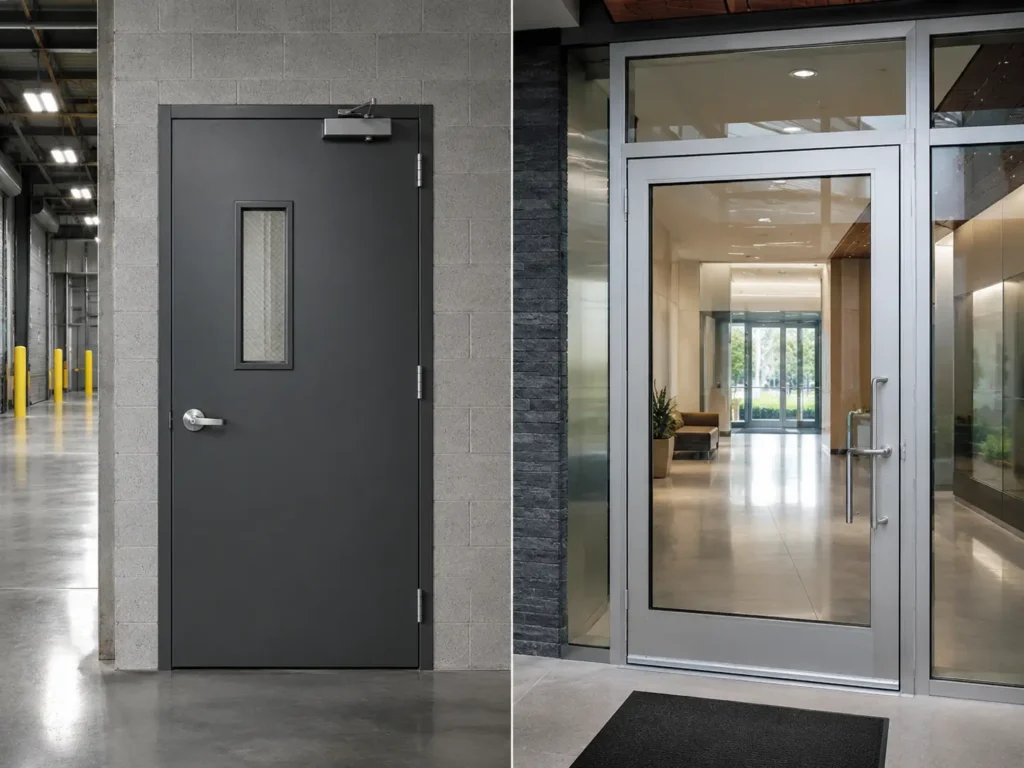
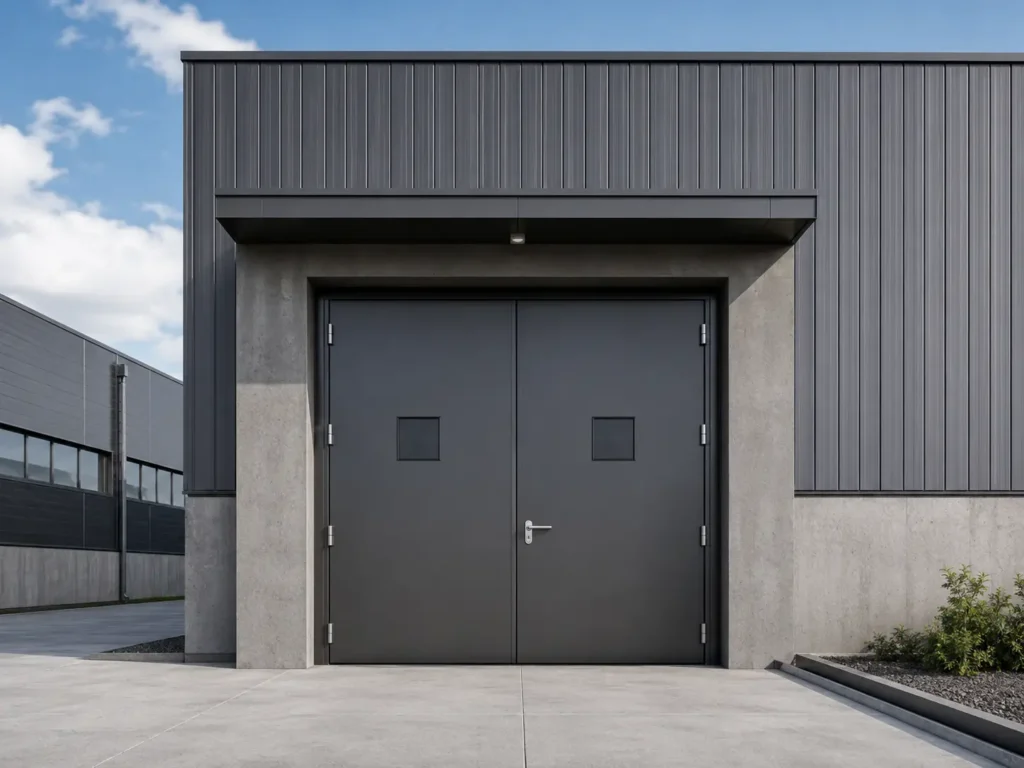
Heavy-duty industrial steel doors are engineered from thick-gauge galvanized or stainless steel sheets wrapped around a reinforced structural core. Unlike standard commercial doors, these assemblies utilize heavy-duty welded seams, internal steel stiffeners, and high-density insulation materials (such as polyurethane or mineral wool) to deliver unrivaled structural integrity.
Maximum Security and Durability
When it comes to raw tensile strength and impact resistance, steel is unmatched. Industrial facilities frequently experience heavy machinery movement, constant forklift traffic, and rigorous daily operations. Incorporating heavy duty steel doors for industrial projects guarantees that your entryways can withstand severe physical impacts, prevent forced entry, and resist warping under extreme environmental pressure.
Fire Ratings and Insulation
One of the most compelling reasons architectural specifiers select steel over alternative materials is its superior fire-rated capability. Premium steel doors can achieve fire protection ratings ranging from 45 minutes up to 3 hours. Furthermore, their insulated cores provide exceptional thermal barriers and acoustic dampening, which are vital for manufacturing plants and logistics warehouses.
Ideal Industrial Applications
- High-security perimeters and perimeter boundary walls.
- Manufacturing facilities processing heavy machinery or hazardous materials.
- Logistics hubs, distribution centers, and loading docks.
- Cleanrooms and server containment facilities requiring strict environmental control.
The Role of Aluminum Doors in Commercial Builds
Core Characteristics
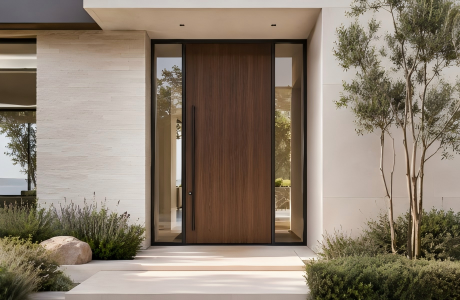
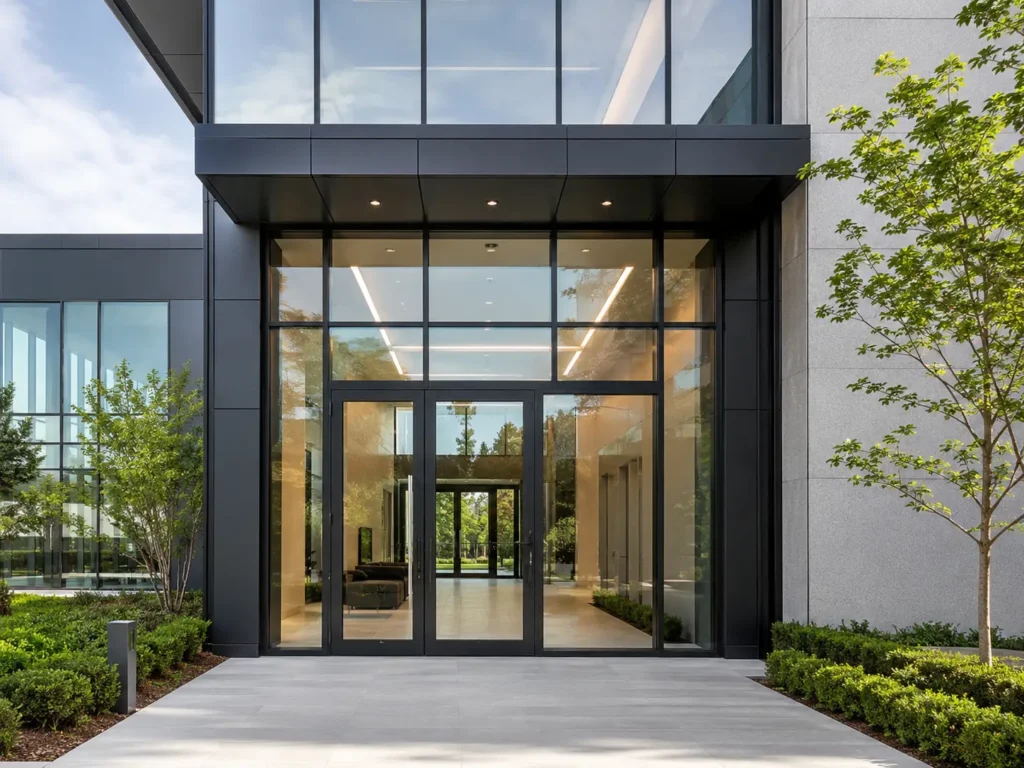
Architectural aluminum doors are constructed using extruded aluminum profiles, frequently integrated with large glass panes. Aluminum possesses a high strength-to-weight ratio, which allows manufacturers to create slim, lightweight profiles without completely sacrificing structural stability.
Corrosion Resistance and Aesthetics
Aluminum naturally forms a protective oxide layer, providing excellent natural resistance to atmospheric corrosion and rust. From a design perspective, aluminum offers a sleek, modern, and transparent appearance. It allows natural light to flood into a facility, making it a popular choice for public-facing entryways.
Ideal Commercial Applications
- Executive corporate offices and industrial park administrative buildings.
- Main entrance facades for mixed-use commercial and industrial complexes.
- Interior office partitions, showrooms, and low-traffic pedestrian walkways.
Head-to-Head Comparison: Steel vs. Aluminum
To streamline your procurement decision, the table below provides a direct comparison of structural and operational metrics between heavy-duty steel and commercial aluminum doors:
| Performance Metric | Heavy Duty Steel Doors | Commercial Aluminum Doors |
| Tensile & Yield Strength | Extremely High; resists severe impact and forced entry. | Moderate; prone to denting under heavy industrial impacts. |
| Fire Resistance | Exceptional (Up to 3-hour certified ratings available). | Poor; low melting point, unsuitable for strict fire barriers. |
| Corrosion Resistance | High (Requires specialized galvanized/powder coatings). | Naturally Excellent; inherently resistant to oxidation. |
| Thermal Insulation | Outstanding when paired with fully insulated cores. | Moderate; requires specialized thermal breaks to prevent loss. |
| Aesthetic Flexibility | Industrial, solid, and highly utilitarian. | Sleek, modern, and highly compatible with expansive glass. |
| Long-Term ROI | Exceptional; minimal maintenance and long lifespan. | Moderate; may require frequent replacement in rough zones. |
Frequently Asked Questions (FAQ)
No, standard heavy-duty steel doors are typically more cost-effective upfront than architectural aluminum doors with thermal breaks. When evaluating long-term operational costs, steel provides a much higher Return on Investment (ROI) due to its resistance to severe impacts and minimal structural wear.
Yes, standard raw steel is susceptible to rust when exposed to moisture; however, industrial doors from George Homes utilize advanced galvanized coatings and specialized primers. This specific engineering ensures optimal corrosion resistance, allowing them to withstand humid or harsh coastal industrial environments seamlessly.
Yes, modern aluminum profiles can easily accommodate advanced electronic locks, biometric access systems, and multi-point latching configurations. However, because aluminum is fundamentally a softer metal, it cannot match the raw forced-entry resistance provided by heavy-gauge structural steel frames in high-security zones.
Why Top Builders Rely on George Homes for One-Stop Solutions
Sourcing high-performance industrial doors involves navigating strict building codes, precise hardware compliance, and challenging logistics. The traditional procurement workflow often forces project managers to coordinate with multiple disconnected entities: one factory for Doors & Windows Solutions, and yet another for worker facility Sanitary wares. This fragmented approach frequently triggers communication bottlenecks, dimensional mismatches, and expensive project delays.
George Homes eliminates these supply chain pain points entirely. Backed by 20 years of manufacturing excellence, we provide world-class One-Stop Solutions for Building Materials and Furniture tailored specifically for global commercial developments.
When you partner with us, you are paired with a Dedicated Project Manager who oversees your entire bill of quantities (BoQ). We seamlessly bundle and match your industrial doors with your project’s wider architectural requirements, including:
- Exterior curtain walls and premium architectural Lighting systems.
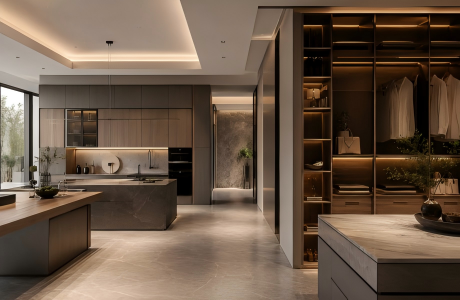
- Staff quarters outfitted with custom Kitchen & Wardrobe joinery and commercial Furniture Collection layouts.
- Durable, high-traffic Flooring & Staircase systems matching your exact structural engineering layouts.
- High-end administrative spaces finished with premium Marble & Granite architectural details.
From initial blueprint optimization and technical drawing verification to unified container loading and customs clearance compliance, George Homes ensures your materials arrive on-site, on time, and completely true to specification.
Conclusion & Next Steps
Choosing between steel and aluminum hinges entirely on your project’s zone requirements. For heavy-duty industrial zones, high-traffic processing areas, and fire-rated perimeters, implementing heavy duty steel doors for industrial projects is the only way to ensure absolute security and longevity. For administrative zones and glass fronts, aluminum remains an excellent choice.
Optimize your procurement timeline and protect your bottom line by consolidating your building material supply chain today.
Contact Our Engineering Team via WhatsApp to submit your architectural drawings or Bill of Quantities (BoQ). Your Dedicated Project Manager at George Homes will provide a comprehensive, factory-direct quotation covering your doors, windows, and entire structural finish package.
References
- Steel Door Institute (SDI): Standards and Specifications for Commercial Hollow Metal Doors
- American Architectural Manufacturers Association (AAMA): Aluminum Materials and Extrusion Performance Criteria