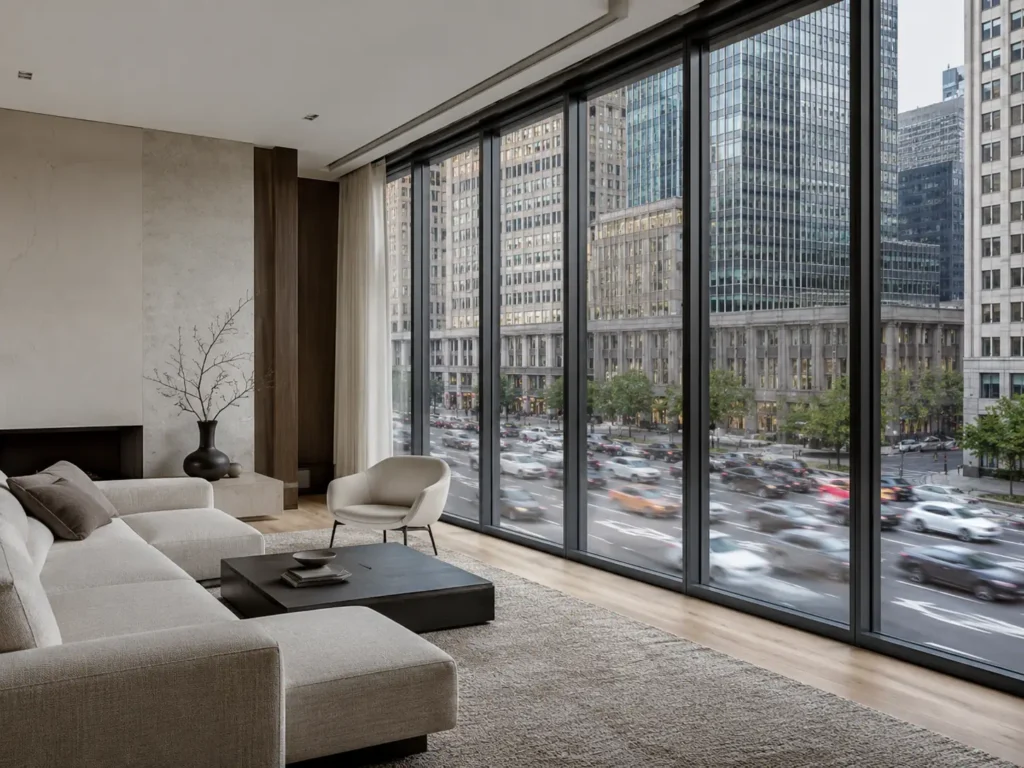
In the realm of luxury real estate and premium commercial developments, acoustic comfort is not an amenity—it is a necessity. Whether you are developing an urban penthouse overlooking a bustling city or designing a tranquil suburban villa, intrusive external noise can severely diminish the perceived value and livability of a space.
For architects, builders, and homeowners, understanding how to soundproof windows is a critical component of building design. Windows are notoriously the weakest link in a building’s acoustic envelope. Upgrading to a premium Soundproof Window system requires a strategic understanding of Sound Transmission Class (STC) ratings, glass density, and air cavities.
In this comprehensive overview, we explore professional-grade methods for window soundproofing, highlighting the absolute best solution for residential homes to help you achieve the pinnacle of “Quiet Luxury” in your next project.
Why Quality Soundproof Windows Matter for Luxury & Commercial Builds
Sound waves travel through the path of least resistance. Even if a property features high-density concrete walls and premium Flooring & Staircase installations with acoustic underlayments, standard single-pane or poorly sealed windows will allow traffic, construction, and ambient city noise to flood the interior.
Investing in high-STC soundproof windows offers several distinct advantages:
- Elevated Property Value: Premium acoustics are a hallmark of luxury living, directly increasing the market value of residential villas and commercial spaces.
- Occupant Wellness: Consistent exposure to noise pollution increases stress. A serene, quiet environment aligns with modern wellness-centric architectural trends.
- Thermal Efficiency: The same technologies used to block sound—such as double glazing and tight weatherstripping—also provide exceptional thermal insulation, reducing HVAC costs.
How to Soundproof Windows: Professional Methods & The Best Home Solution
Depending on the stage of the build and the specific noise frequencies you are trying to block, there are several ways to tackle acoustic vulnerabilities.
1. The Best Method for Home Use: Asymmetrical Double Glazing with Laminated Glass
If you are asking how to soundproof windows with the highest success rate for residential homes, this is the definitive answer.
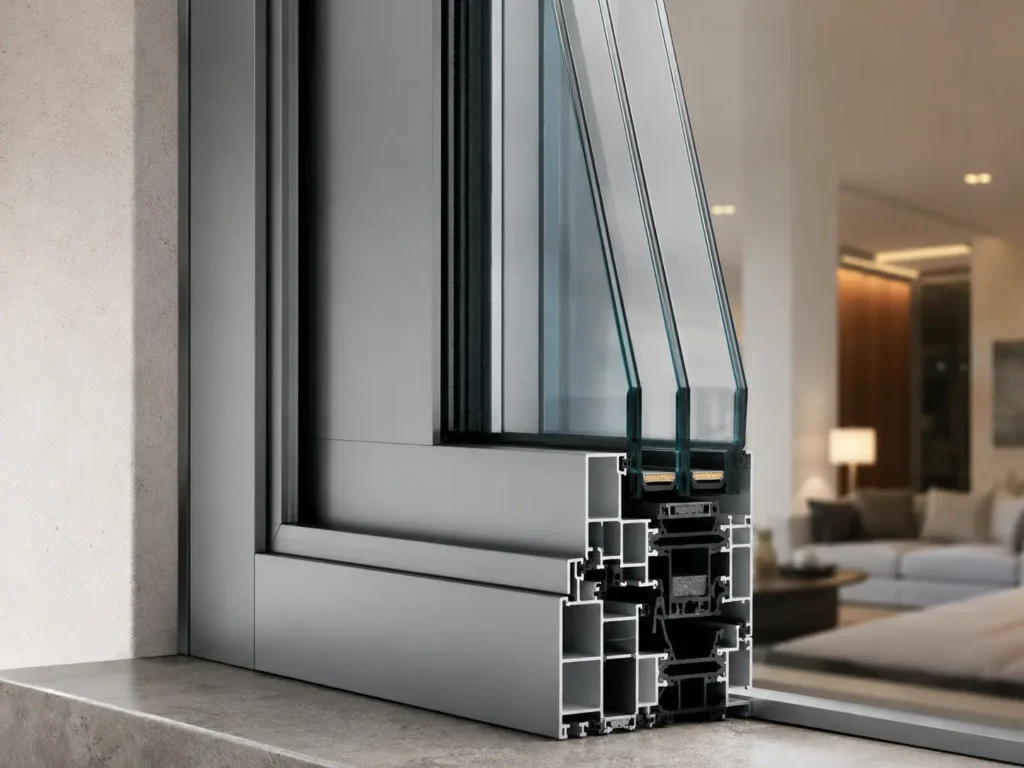
Standard double glazing uses two panes of glass of the same thickness. While good for temperature control, sound waves at certain frequencies can vibrate through both panes simultaneously. Asymmetrical glazing uses two different thicknesses of glass (e.g., one 6mm pane and one 4mm pane). Because they have different mass, they block different sound frequencies, effectively disrupting the sound wave.
When you combine this asymmetrical setup with Laminated Glass (glass bonded with a special acoustic PVB interlayer), you achieve the ultimate home soundproofing solution. It is the most effective way to block low-frequency noises like heavy traffic and airplane engines without compromising the minimalist aesthetic of your Doors & Windows.
2. Upgrading to Standard Double or Triple Glazed Windows
For new builds and complete renovations, replacing single-pane glass with standard double or triple-glazed units is the baseline for modern construction. The trapped air or heavy argon gas between the panes acts as a buffer. While not as specialized as asymmetrical laminated glass, it offers a vast improvement over outdated single-pane systems and perfectly complements modern, energy-efficient architecture.
3. Applying Acoustic Sealants and High-Grade Weatherstripping
Sound travels through air. If air can get through your window frame, so can sound. Over time, building materials expand and contract, creating micro-gaps around window casings.
- Acoustic Caulk: Unlike standard silicone, acoustic sealant remains flexible, preventing cracks and blocking sound transmission through the frame joints.
- Weatherstripping: Upgrading the seals on the moving sashes of operable windows ensures a tight, compression-fit closure.
4. Installing Secondary Glazing (Acoustic Inserts)
If structural constraints prevent full window replacement—such as in historical renovations or strict strata-managed properties—secondary glazing is a highly effective alternative. This involves installing a discreet, independent internal window behind the existing window. The large air gap created between the original exterior window and the new interior insert acts as a massive sound barrier, significantly raising the overall STC rating.
5. Integrating Heavy-Duty Acoustic Curtains and Blinds
For a holistic approach to interior acoustics, window treatments play a supporting role. While they will not block low-frequency traffic noise on their own, heavy mass-loaded vinyl (MLV) blinds or dense, multi-layered acoustic curtains help absorb high-frequency sounds and reduce internal reverberation.
Soundproofing vs. Window Replacement: A Cost-Benefit Analysis
Project managers and homeowners often weigh the decision between retrofitting existing windows and commissioning full replacements. The table below outlines the professional consensus:
| Solution Type | Average STC Improvement | Installation Time | Cost Efficiency | Best Application |
| Acoustic Sealants & Weatherstripping | Minor (1-3 STC points) | Fast (Hours) | Highly Economical | Fixing drafty, whistling windows |
| Secondary Glazing | High (Up to 10+ STC points) | Moderate (1 Day per room) | Mid-Range | Heritage buildings, apartments |
| Full Replacement (Asymmetrical Laminated) | Maximum (Reaches STC 40-50+) | Extensive (Requires structural work) | Premium Investment | New luxury builds, major renovations |
Frequently Asked Questions (FAQ)
No, it is physically impossible for any operable window to block 100% of environmental noise. However, premium acoustic windows can block up to 90-95% of intrusive sound, transforming deafening traffic noise into a barely perceptible whisper.
No, standard double glazing is primarily designed for thermal insulation, not extreme noise reduction. For homes near highways, you need asymmetrical laminated glass to effectively break down low-frequency engine rumbling.
Yes. You can significantly improve acoustics by sealing air leaks with acoustic caulk, upgrading weatherstripping, and installing secondary glazing on the interior side of the existing frame.
Yes. While the glass is critical, the frame must also be dense. Premium UPVC or thermally broken aluminum frames with multi-chamber profiles offer superior acoustic dampening compared to hollow, low-grade metal frames.
The George Homes Advantage: One-Stop Solutions for Your Project
Managing a large-scale building project often means dealing with fragmented supply chains—coordinating the window supplier, the interior designers, and the raw material factories. This leads to costly delays, mismatched aesthetics, and inconsistent engineering standards.
George Homes eliminates this friction. With over 20 years of experience serving global developers and villa owners across 130+ countries, we provide a true “One-Stop Solution” for premium building materials.
- Dedicated Project Manager: You will be assigned a single point of contact who understands your exact floor plans and architectural vision.
- Engineering Excellence: Our custom acoustic window solutions are tested for rigorous STC ratings, ensuring your luxury project is as serene as it is visually stunning.
Contact Us for Expert Building Materials Support
Achieving true quiet luxury requires precision engineering and cohesive design. Do not let subpar materials compromise the integrity of your high-end residential or commercial project.
Partner with George Homes to secure factory-direct pricing, bespoke design services, and a Dedicated Project Manager who will oversee your order from conceptual floor plans to final delivery.
References & Further Reading
- Understanding STC Ratings and Acoustic Performance – Whole Building Design Guide (WBDG)
- The Science of Architectural Acoustics – ArchDaily