Natural lighting has become one of the biggest priorities in modern home design, and that is exactly why residential skylights continue to gain popularity across the United States and beyond. Homeowners today are searching for smarter ways to improve comfort, reduce electricity bills, and increase property value. A well-designed Skylight system offers all these benefits while making living spaces brighter and more visually appealing.
Unlike traditional windows, Skylights are installed directly into the roof, allowing sunlight to enter from above. This creates stronger daylight exposure, better room illumination, and a more open atmosphere. Whether installed in kitchens, bathrooms, bedrooms, or living rooms, skylights can dramatically improve indoor environments.
Modern homeowners are also investing in advanced solutions like skylight shades, smart ventilation systems, and energy-efficient glazing technology to maximize comfort year-round. From minimalist architecture to eco-friendly construction trends, skylights have evolved into a major feature in contemporary residential design.
In this guide, you will learn everything about residential skylights, including types, costs, installation considerations, maintenance, energy savings, and the latest smart-home innovations shaping the market in 2026.
What Is a Skylight?
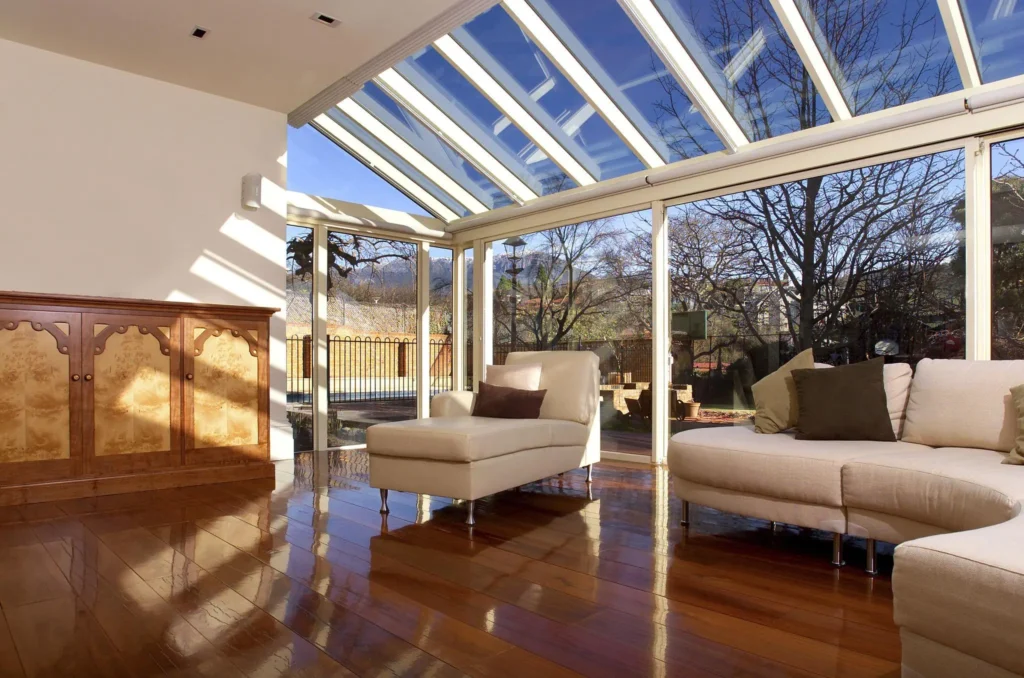
A Skylight is a roof-mounted window system designed to bring natural daylight into indoor spaces. Unlike standard vertical windows, skylights capture sunlight from above, providing stronger and more consistent lighting throughout the day.
For high-end building projects, modern skylights feature double or triple-pane insulated glass, UV protection coatings, Low-E glazing, and smart rain sensors. Builders often integrate these with our Custom Doors & Windows to ensure a cohesive, energy-efficient building envelope.
How Skylights Work in Residential Homes
Skylights are installed directly into the roof structure using specially designed flashing systems and insulated glass panels. These systems prevent water intrusion while allowing natural light to enter the home safely.
Most modern skylights include:
- Double or triple-pane insulated glass
- UV protection coatings
- Energy-efficient Low-E glazing
- Ventilation options
- Smart rain sensors
- Remote-control operation
Difference Between Skylights and Traditional Windows
| Feature | Skylights | Traditional Windows |
|---|---|---|
| Placement | Roof | Wall |
| Natural Light Exposure | High | Moderate |
| Ventilation | Optional | Standard |
| Privacy | Better | Limited |
| Energy Efficiency | Excellent with modern glazing | Varies |
| Design Appeal | Premium architectural look | Standard |
Skylights can deliver up to 30–50% more sunlight compared to traditional windows because of their roof positioning.
Why Residential Skylights Are Becoming More Popular
The demand for residential skylights has grown significantly due to rising interest in sustainable home design and energy-efficient living.
Modern consumers want homes that feel brighter, larger, and healthier without increasing electricity consumption.
Energy Efficiency and Reduced Electricity Costs
One of the biggest advantages of skylights is daylight optimization. During daytime hours, homeowners can reduce dependence on artificial lighting.
Energy-efficient skylights may help:
- Lower electricity bills
- Reduce HVAC strain
- Improve indoor temperature balance
- Increase sustainability ratings
Advanced Low-E glass technology minimizes heat transfer while maximizing visible light.
Health and Wellness Advantages of Natural Light
Natural light positively impacts physical and mental health. Research consistently shows that daylight exposure can improve mood, productivity, and sleep quality.
Benefits include:
- Reduced eye strain
- Improved focus
- Better circadian rhythm balance
- Enhanced indoor comfort
- Reduced seasonal depression symptoms
This makes skylights especially attractive for home offices and family living spaces.
Popular Types of Skylights for Homes
Not all skylights are the same. Different designs serve different functional and architectural purposes.
Fixed Skylights
Fixed skylights are non-opening systems designed solely for natural lighting.
Best for:
- Living rooms
- Hallways
- Staircases
- High ceilings
Advantages:
- Lower installation costs
- Minimal maintenance
- Excellent insulation performance
Ventilated Skylights
Ventilated skylights can open manually or electronically to improve airflow.
These are ideal for:
- Kitchens
- Bathrooms
- Laundry rooms
Benefits include:
- Reduced humidity
- Better air circulation
- Improved indoor air quality
Many smart models automatically close when rain is detected.
Tubular Skylights
Tubular skylights use reflective tubes to direct sunlight into smaller spaces.
Best suited for:
- Closets
- Hallways
- Small bathrooms
Advantages:
- Affordable installation
- Compact roof footprint
- High efficiency in tight spaces
Custom Architectural Skylights
Luxury homes increasingly use oversized or uniquely shaped skylights for dramatic visual impact.
Popular styles include:
- Pyramid skylights
- Frameless glass roofs
- Geometric skylight systems
- Panoramic ceiling glazing
Best Rooms for Installing Skylights
Strategic placement plays a major role in skylight performance.
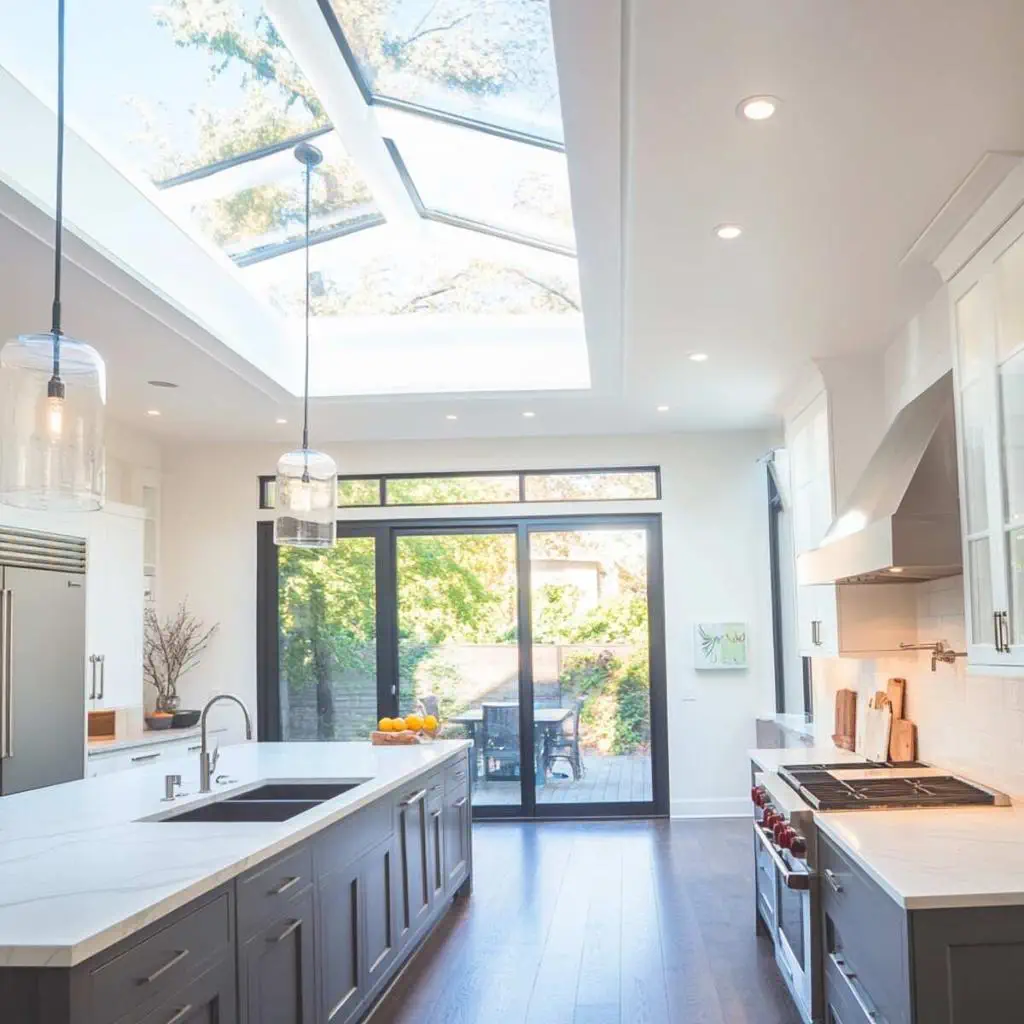
Kitchen Skylight Designs
Kitchen skylights create brighter cooking spaces and reduce daytime lighting costs.
Advantages:
- Improved visibility
- Better ventilation
- Enhanced visual appeal
Bathroom Skylights
Bathrooms benefit greatly from skylights because they maintain privacy while allowing natural light inside.
Ventilated models help reduce:
- Moisture buildup
- Mold growth
- Humidity problems
Living Room Skylight Concepts
Living rooms with skylights often appear:
- Larger
- More luxurious
- More inviting
Natural sunlight enhances furniture textures and interior décor.
Bedroom Skylights and Smart Comfort
Modern bedrooms increasingly use skylights combined with automated skylight shades.
Benefits include:
- Adjustable brightness
- Better sleep comfort
- Smart home integration
- Improved temperature control
Residential Skylights vs Roof Windows
Although people sometimes confuse these systems, they are not identical.
Comparison Table: Skylights vs Roof Windows
| Feature | Residential Skylights | Roof Windows |
|---|---|---|
| Installation Height | Higher ceilings | Reachable height |
| Primary Function | Daylighting | View + ventilation |
| Accessibility | Often remote-operated | Manual access |
| Design Style | Architectural enhancement | Functional window |
| Cost Range | Moderate to premium | Moderate |
Roof windows are generally installed where users can directly reach them, while skylights are often mounted higher for broader lighting coverage.
How Skylight Shades Improve Comfort and Efficiency
Modern skylight shades are no longer simple accessories. They now play a major role in energy management and smart-home comfort.
Manual vs Motorized Skylight Shades
| Feature | Manual Shades | Motorized Shades |
|---|---|---|
| Cost | Lower | Higher |
| Convenience | Moderate | Excellent |
| Smart Home Integration | No | Yes |
| Automation | Limited | Advanced |
| Energy Savings | Moderate | High |
Motorized systems are becoming increasingly popular in luxury homes.
Best Materials for Skylight Shades
Popular materials include:
- Blackout fabrics
- Solar mesh screens
- Honeycomb insulated shades
- UV-filtering textiles
These materials help:
- Reduce glare
- Improve privacy
- Lower cooling costs
- Protect furniture from UV damage
Smart Skylight Shade Systems
Smart skylight shades integrate with:
- Alexa
- Google Home
- Apple HomeKit
Some systems automatically adjust based on:
- Sunlight intensity
- Room temperature
- Time of day
Average Residential Skylights Installation Costs
The cost of installing residential skylights varies depending on size, materials, roof structure, and labor.
Cost Breakdown by Skylight Type
| Skylight Type | Average Cost Range |
|---|---|
| Fixed Skylights | $800 – $2,000 |
| Vented Skylights | $1,500 – $3,500 |
| Tubular Skylights | $500 – $1,500 |
| Custom Skylights | $3,000 – $10,000+ |
Factors That Affect Skylight Pricing
Key pricing factors include:
- Roof pitch
- Glass quality
- Labor complexity
- Electrical wiring
- Smart automation features
- Flashing system quality
Common Skylight Problems and Solutions
Like any home feature, skylights require proper installation and maintenance.
Leaks and Water Damage Prevention
Most skylight leaks result from:
- Poor flashing installation
- Roof damage
- Low-quality sealants
Professional installation significantly reduces long-term risks.
Condensation Issues
Condensation may occur when indoor humidity levels become too high.
Solutions include:
- Improved ventilation
- Vented skylights
- Dehumidifiers
- Better insulation
Heat Gain and UV Protection
Modern skylights reduce excessive heat gain through:
- Low-E coatings
- Tinted glazing
- UV-blocking technology
- Insulated skylight shades
How to Choose the Right Skylight for Your Home
Selecting the right skylight depends on both functionality and architectural compatibility.
Key Features to Compare Before Buying
Important considerations include:
- Glass performance
- UV protection
- Ventilation capability
- Warranty coverage
- Smart automation
- Installation requirements
Questions to Ask a Skylight Contractor
Before hiring an installer, ask:
- Are you licensed and insured?
- What warranty is included?
- How long will installation take?
- Which flashing system do you use?
- Do you offer energy-efficient models?
Top Skylight Design Trends in 2026
The skylight industry continues evolving with technology and sustainability innovations.
Smart Glass Skylights
Electrochromic smart glass automatically adjusts transparency based on sunlight exposure.
Benefits:
- Reduced glare
- Better energy control
- Enhanced comfort
Eco-Friendly Residential Skylights
Sustainability-focused skylights now use:
- Recycled aluminum frames
- Energy-efficient glazing
- Solar-powered ventilation
Minimalist Frameless Skylight Designs
Modern architecture increasingly favors frameless glass systems for a clean, luxurious appearance.
Maintenance Tips to Extend Skylight Lifespan
Routine maintenance keeps skylights performing efficiently for decades.
Cleaning Skylight Glass Safely
Use:
- Soft microfiber cloths
- Non-abrasive cleaners
- Telescopic cleaning tools
Avoid:
- Harsh chemicals
- Pressure washing
- Abrasive scrubbing
Seasonal Inspection Checklist
Inspect skylights for:
- Seal damage
- Cracked flashing
- Condensation
- Debris accumulation
- Glass damage
Professional inspections once per year are highly recommended.
Frequently Asked Questions About Skylights
References
- U.S. Department of Energy (DOE) – Energy Efficient Window and Skylight Standards.
- Journal of Architectural Engineering – “Daylighting in Modern Residential Construction.”
Streamline Your Next Project with George Homes
Modern skylights can completely transform residential living spaces. However, executing a flawless luxury build requires cohesive materials, reliable suppliers, and expert project management.
At George Homes, we specialize in One-Stop Building Project Solutions. We provide customized design services, complete material sourcing, and a Dedicated Project Manager to guide your project from concept to completion.
Ready to elevate your next residential or commercial project? We invite you to visit our offline showroom to experience our premium building materials firsthand.
👉 Contact us via WhatsApp or fill out the form to get a detailed project quote!