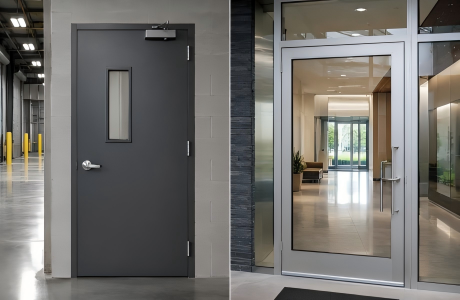

Whether you are a homeowner custom-building a luxury villa or a contractor managing an overseas residential development, the garage is frequently the weakest thermal boundary in a modern structure. An uninsulated metal garage door acts as a massive thermal bridge, allowing scorching summer heat and freezing winter drafts to penetrate your property directly.
Learning how to insulate a garage door effectively is one of the highest-ROI upgrades you can make. Proper insulation stabilizes indoor temperatures, protects valuable assets, and drastically reduces whole-house energy consumption. As a 20-year premier supplier of One-Stop Building Project Solutions, George Homes provides complete, end-to-end building materials globally. From specialized insulation projects to supplying factory-finished Premium Doors & Windows, we ensure your property achieves outstanding thermal performance and architectural harmony.
Why Garage Door Insulation is Essential for Villas and Modern Homes
Upgrading your garage door with high-quality insulation delivers immediate benefits that extend far beyond the garage itself. For premium residential builds, integrating thermal barriers solves several critical living and structural pain points:
- Energy Savings & Climate Control: Heat transfer through an uninsulated garage door severely impacts adjacent living spaces. By increasing the door’s R-value (the measure of thermal resistance), you prevent conditioned air from escaping, keeping heating and cooling operational costs low.
- Quieter Living Spaces: Modern villa layouts frequently feature bedrooms, home theaters, or quiet studies directly above or adjacent to the garage. Insulation panels add dense mass to the door, absorbing operational vibrations and dampening intrusive exterior street noise.
- Protecting Valuables: Extreme temperature fluctuations can degrade luxury vehicle batteries, damage delicate stored items, and freeze uninsulated water pipes. A properly insulated boundary maintains a stable internal microclimate year-round.
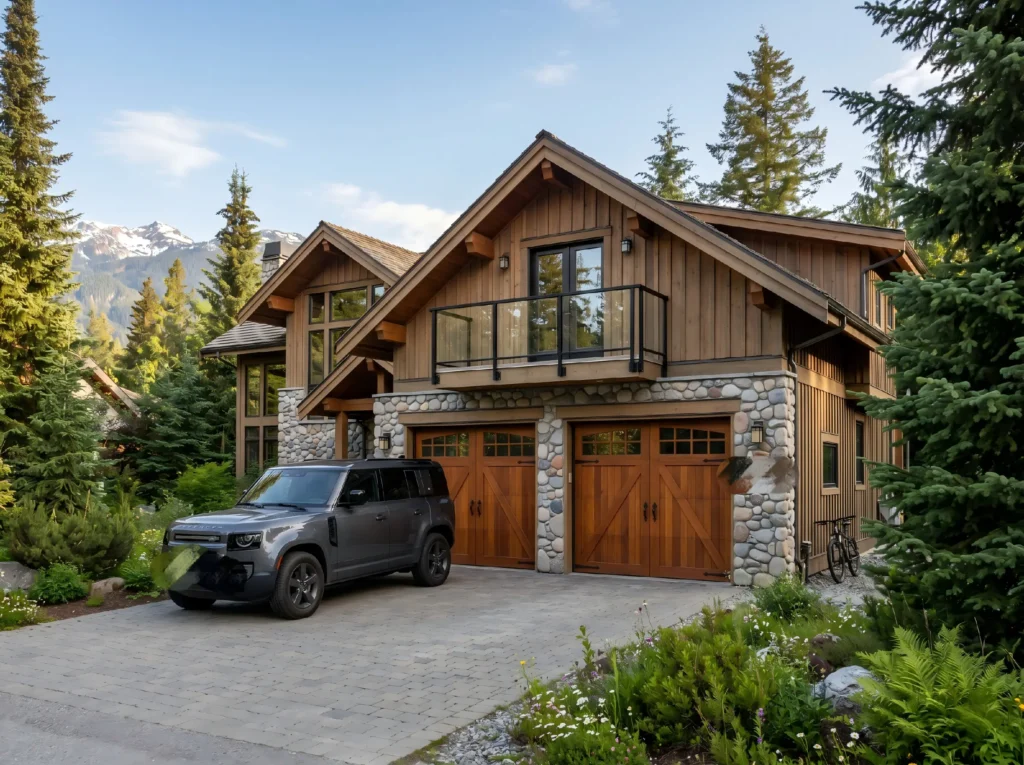
Comparing the Best Garage Door Insulation Materials
Selecting the best garage door insulation depends entirely on your local climate, budget, and structural requirements. Below are the three primary materials utilized in both DIY retrofits and professional building projects.
Polystyrene Panels (Styrofoam)
Polystyrene is a highly popular, budget-friendly option drop-fitted into standard sectional garage doors. These rigid foam panels offer excellent moisture resistance and provide a dependable thermal barrier. They are highly favored by homeowners looking for a straightforward upgrade without adding excessive weight to the door lifting mechanism.
Polyurethane Foam
Polyurethane represents the gold standard for thermal efficiency. Injected directly into double-paned steel doors during manufacturing, this dense foam expands to fill every internal cavity seamlessly. It delivers the highest possible R-value per inch and significantly enhances the structural rigidity of the door panels, making it the top choice for luxury villas and high-end commercial projects.
Reflective Foil Insulation
Composed of polyethylene foam sandwiched between highly reflective aluminum foil layers, this material excels at combatting radiant heat. It is particularly effective for private residences situated in intense, sun-drenched climates, as the outer foil barrier reflects direct solar radiation away from the garage interior.
Data Comparison Table: Insulation Materials
| Insulation Type | Average R-Value | Cost / Prices | DIY Friendliness | Best For |
| Polystyrene | R-4 to R-6 | Low to Moderate | High | Standard residential upgrades & mild climates |
| Polyurethane | R-10 to R-18+ | Premium | Low (Factory Integrated) | Luxury villas, severe climates & maximum rigidity |
| Reflective Foil | R-3 to R-5 | Low | Very High | Hot, sunny regions requiring radiant heat blocking |
Step-by-Step: Using Garage Door Insulation Kits
If your existing door panels are structurally sound, utilizing specialized garage door insulation kits is a highly practical enhancement. Here is how to execute the installation cleanly and efficiently:
- Step 1: Measure and Prepare the Panels Carefully measure the height and width of each individual metal door panel. Thoroughly clean the interior metal surfaces using a degreasing agent to remove dust, oil, and debris, ensuring adhesives will bond permanently.
- Step 2: Cut the Insulation Material Using a sharp utility knife and a straightedge, cut the insulation material to match your panel measurements. For rigid polystyrene, cut the panels slightly larger than the metal framing so they snap snugly into the retaining channels.
- Step 3: Secure the Panels in Place Depending on your chosen kit, secure the insulation using double-sided specialized adhesive tape, spray adhesive, or custom retainer clips. Ensure the material sits flush against the door to prevent internal air pockets.
- Step 4: Don’t Forget the Weatherstripping Insulating the door panels is only half the battle. To stop drafts completely, replace worn bottom rubber seals and install premium perimeter weatherstripping along the top and sides. For complex custom framing needs, explore our Custom Metal & Glass Solutions to guarantee absolute structural air tightness.
Garage Door Insulation Cost and Prices
Understanding the financial breakdown of insulation methods helps property owners and project managers balance upfront expenditure against long-term property value.
Cost of DIY Kits vs. Professional Installation
High-quality aftermarket garage door insulation kits generally range in prices from $50 to $200 for a standard double-car garage. If you opt to hire local independent contractors to execute the installation, labor fees typically add an extra $200 to $400, bringing the total retrofit cost to roughly $300 to $600.
Retrofitting vs. Upgrading to a New Insulated Door
While retrofitting is economical for relatively new doors, applying insulation kits to an aging, dented, or mechanically worn garage door is rarely cost-effective. For comprehensive villa renovations or new construction developments, sourcing a factory-made, pre-insulated polyurethane door directly from a trusted manufacturer provides vastly superior thermal performance, precise color matching, and a highly polished architectural finish.
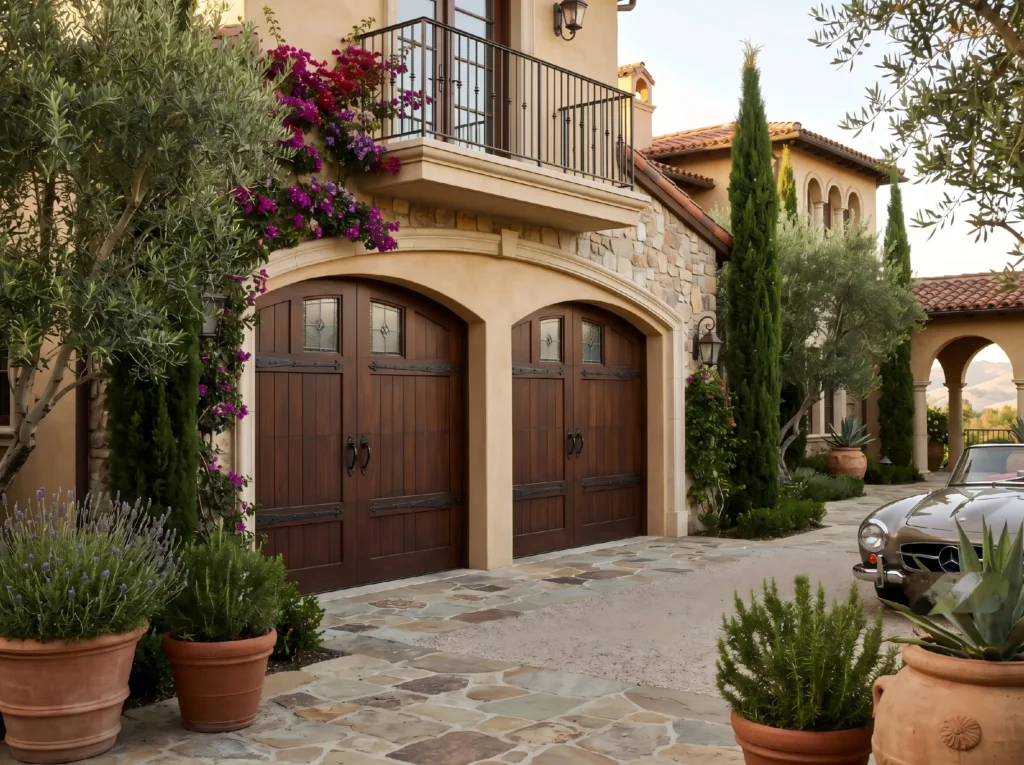
Elevate Your Home with George Homes’ One-Stop Solutions
Coordinating a premium residential build often forces homeowners and project managers to negotiate with dozens of fragmented, unreliable factories. This leads to mismatched finishes, delayed timelines, and inflated shipping costs.
George Homes eliminates these friction points entirely through our One-Stop Building Project Solutions.
- Flawless Design Integration: We ensure your premium garage doors perfectly complement your exterior facades, outdoor Lighting, and overarching architectural style.
- Comprehensive Supply Chain: Beyond exterior boundaries, we seamlessly consolidate and deliver all interior outfittings, including high-end Tile, and durable Flooring & Staircase materials under a single unified manifest.
- Dedicated Service & Global Showrooms: Every client is assigned a Dedicated Project Manager to oversee structural customization, stringent quality control, and synchronized global delivery. We warmly invite international builders, contractors, and villa owners to visit our expansive physical showrooms to experience our unparalleled manufacturing standards firsthand.
Frequently Asked Questions (FAQs)
References
U.S. Department of Energy (DOE): Guidelines on residential thermal boundaries, unconditioned spaces, and energy-efficient garage configurations.
DASMA (Door & Access Systems Manufacturers Association): Technical performance standard criteria and verified R-value testing protocols for commercial and residential sectional garage doors.
Ready to upgrade your villa or commercial development with highly insulated, architectural-grade garage doors? Stop managing endless suppliers and experience seamless fulfillment. Contact your George Homes Dedicated Project Manager today via WhatsApp or leave your project specifications below to receive a customized design proposal and comprehensive material quotation.