Procurement Context: Making the Right Fenestration Decision for Large-Scale Projects
In high-end commercial construction and luxury residential developments, fenestration procurement is rarely a simple calculation of initial unit cost. Overseas project managers, general contractors, and developers must balance upfront capital allocation with long-term Total Cost of Ownership (TCO). Specifying the wrong window material for diverse climates—whether it is an ultra-violet-intense coastal resort or a sub-zero mountain lodge—can lead to premature seal failures, inflated HVAC overheads, and costly structural replacements.
The core debate in modern architectural procurement centers on two distinct polymer classes: thermoset composite frames (fiberglass) and thermoplastic extrusions (vinyl/PVC). Understanding the structural, thermal, and financial disparities between these materials is essential for securing maximum return on investment (ROI) for global building projects.
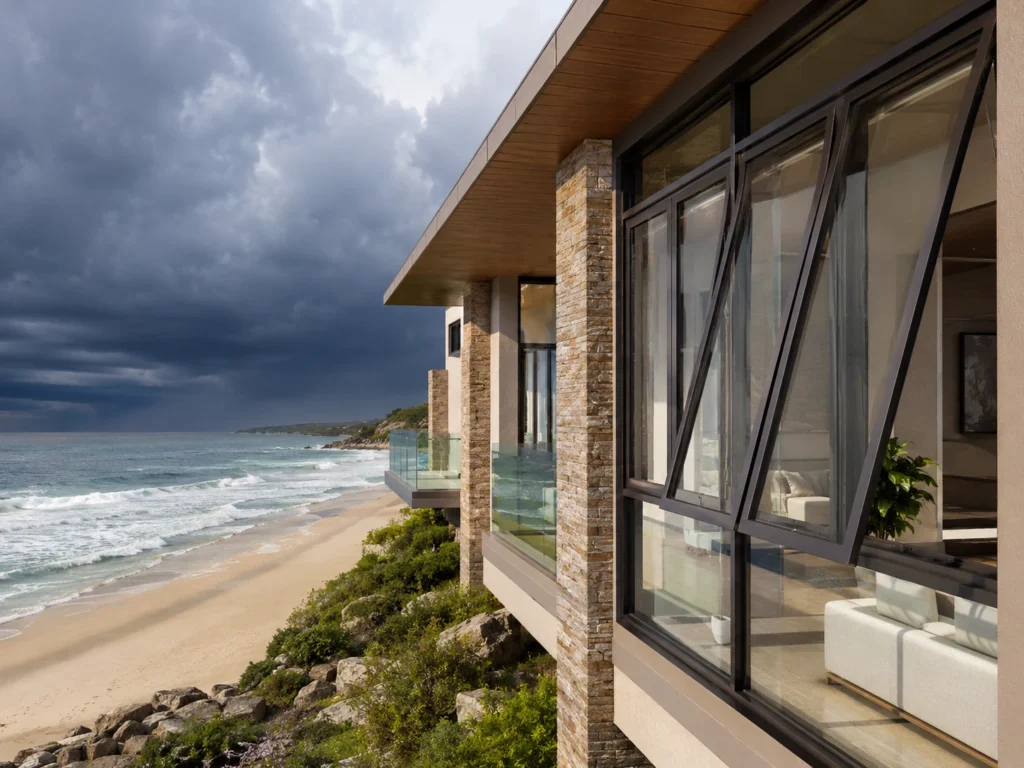
Material Fundamentals: Thermoset vs. Thermoplastic
To evaluate field performance accurately, procurement teams must first look at the underlying manufacturing science.
What are Fiberglass Windows? (Engineering Profile)
Fiberglass windows are engineered from a thermoset composite material. They are manufactured utilizing an advanced pultrusion process, where continuous glass fiber strands are heavily impregnated with a specialized polyester resin, pulled through a highly heated die, and cured. Once formed, a thermoset material becomes permanently rigid; it will not melt, soften, or change its structural profile when exposed to extreme ambient temperatures. This makes it an elite structural choice for expansive architectural openings.
What are Vinyl (PVC) Windows? (Manufacturing Profile)
Vinyl windows are produced using unplasticized Polyvinyl Chloride (uPVC), making them a thermoplastic polymer. The manufacturing process relies on extrusion, forcing molten PVC through a die to create multi-chambered, hollow frame profiles. Thermoplastics soften when heated and solidify when cooled. Because of their highly streamlined manufacturing process, vinyl windows represent the global standard for cost-effective, mass-scale residential developments.
Structural Integrity & Architectural Flexibility
When designing premium villas or multi-story commercial buildings, structural strength directly dictates aesthetic potential.
Tensile Strength and Frame Slimness
From an engineering standpoint, fiberglass is up to 8 times stronger than standard vinyl. This massive disparity in tensile strength carries direct commercial value.
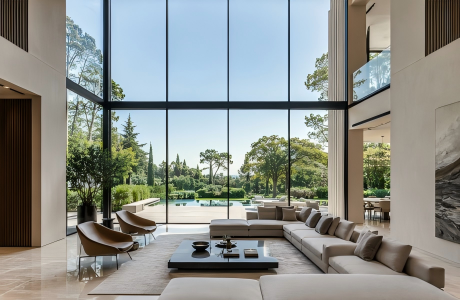
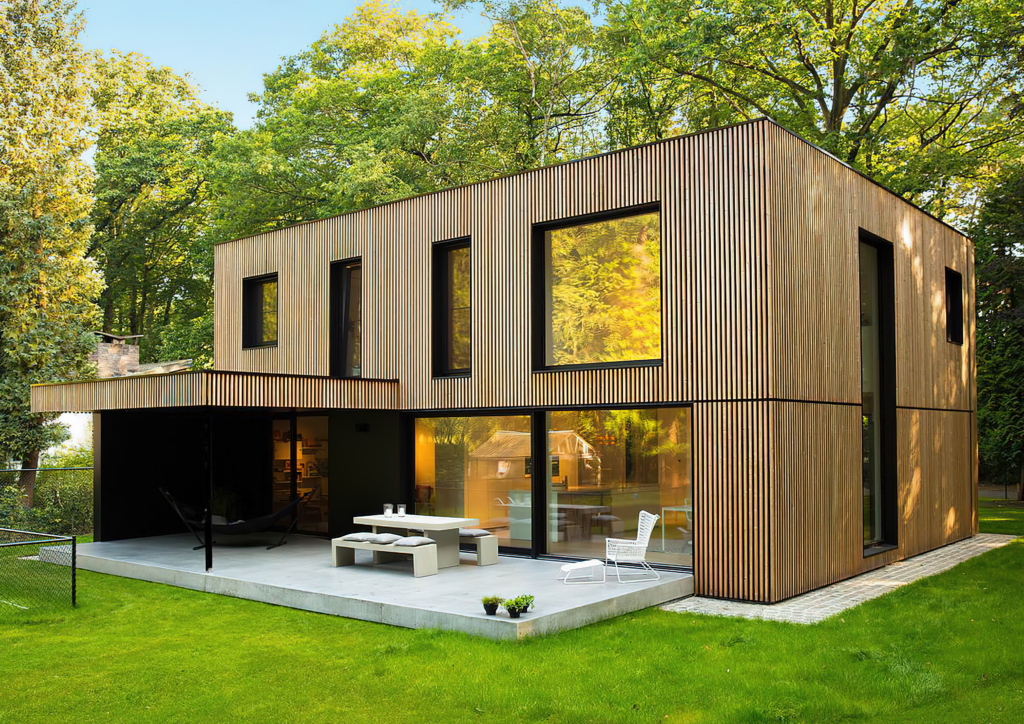
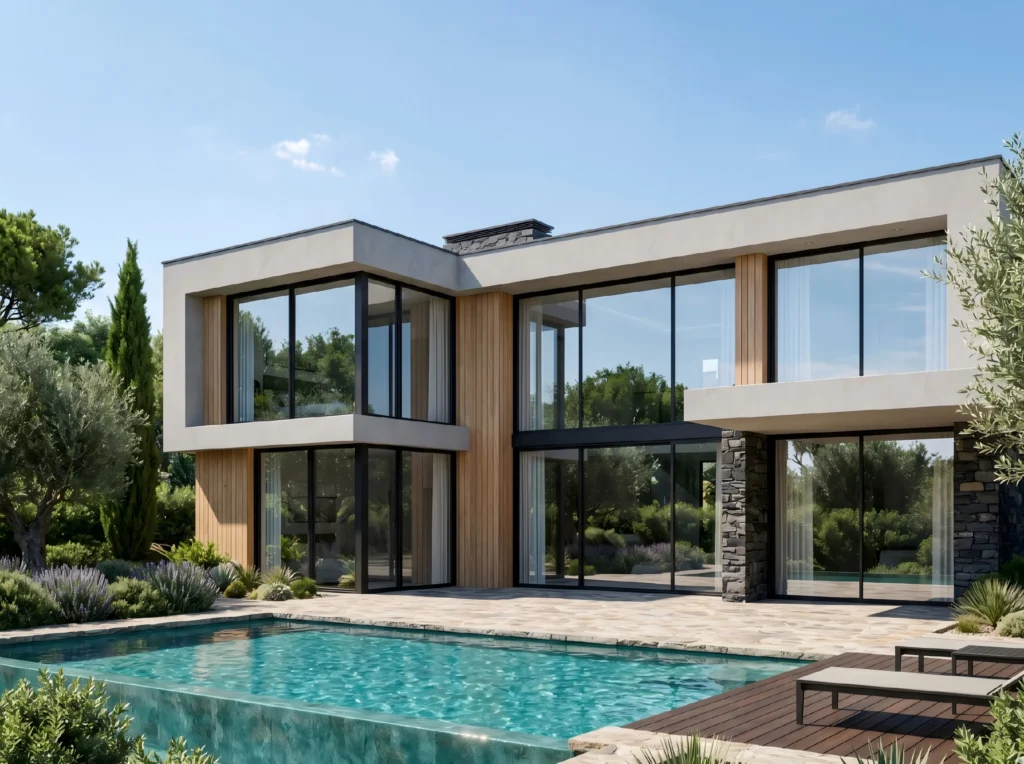
Because vinyl lacks inherent structural rigidity, it requires wider, thicker frame profiles—and often internal steel reinforcement bars—to support heavy double or triple-pane insulated glass units (IGUs). Conversely, the immense strength of fiberglass allows for extremely narrow frame profiles. Specifying fiberglass can deliver up to 20% more visible glass surface area, providing the clean, minimalist sightlines demanded by modern architects without compromising wind load resistance.
Thermal Expansion and Seal Longevity
The most critical factor in long-term window durability is the Coefficient of Linear Thermal Expansion (CLTE).
- Fiberglass is comprised of the same foundational material as the glass panes it holds. Consequently, the frame and the glass expand and contract at the exact same rate when exposed to extreme thermal cycling. This harmonious movement prevents stress cracks and ensures permanent seal integrity.
- Vinyl expands up to 7 times more than glass under intense solar radiation. On sun-facing facades, this differential movement places extreme shear stress on the structural silicone and weather seals, frequently leading to argon gas leaks, internal condensation, and drafty openings over time.
Thermal Performance & Energy Efficiency Audit
Both materials provide excellent thermal breaks compared to uninsulated aluminum, but their long-term insulation metrics diverge significantly under operational wear.
U-Factor and Insulation Metrics
Standard vinyl frames rely on trapped air pockets within their multi-chambered extrusions to slow thermal transfer. Premium fiberglass frames are often filled with an integrated closed-cell foam core, yielding exceptional baseline U-factors.
While brand-new premium vinyl windows can match the initial U-factor of fiberglass, fiberglass maintains superior dimensional stability over decades. Because vinyl frames are prone to slight warping and sagging under extreme heat, operational sashes can lose their airtight baseline fit. Maintaining absolute airtightness makes fiberglass the superior choice for high-end properties aiming for LEED Green Building Certification or developers seeking to permanently suppress commercial HVAC energy expenditures.
Head-to-Head Procurement Data Matrix
For commercial quantity sourcing, cross-referencing initial procurement costs against expected operational lifecycles is critical for value engineering.
| Performance Metrics | Vinyl (uPVC) Windows | Fiberglass Windows | Impact on Project ROI |
| Initial Unit Cost | Baseline ($) – Highly economical upfront wholesale cost. | Premium ($$) – Typically 15% to 30% higher initial cost. | Vinyl minimizes initial capital; fiberglass optimizes long-term asset valuation. |
| Expected Lifespan | 20 – 30 Years | 40 – 50+ Years | Fiberglass cuts replacement cycles in half for commercial properties. |
| Structural Strength | Moderate; requires thicker profiles and steel inserts for large spans. | Extremely High; supports massive custom glazing with slim profiles. | Fiberglass allows for expansive luxury fenestration without structural failure. |
| Customization | Limited to baked-in factory extrusions (usually white/beige). | Infinite; supports factory RAL paint matching and real-wood veneers. | Matches custom exterior facades and premium interior design schemes. |
| Maintenance Need | Low initially, but difficult to repair if frames warp or fade. | Virtually Zero; frames resist chipping, fading, and chalking. | Reduces ongoing property management overheads significantly. |
Cross-Category Aesthetic Integration in Premium Projects
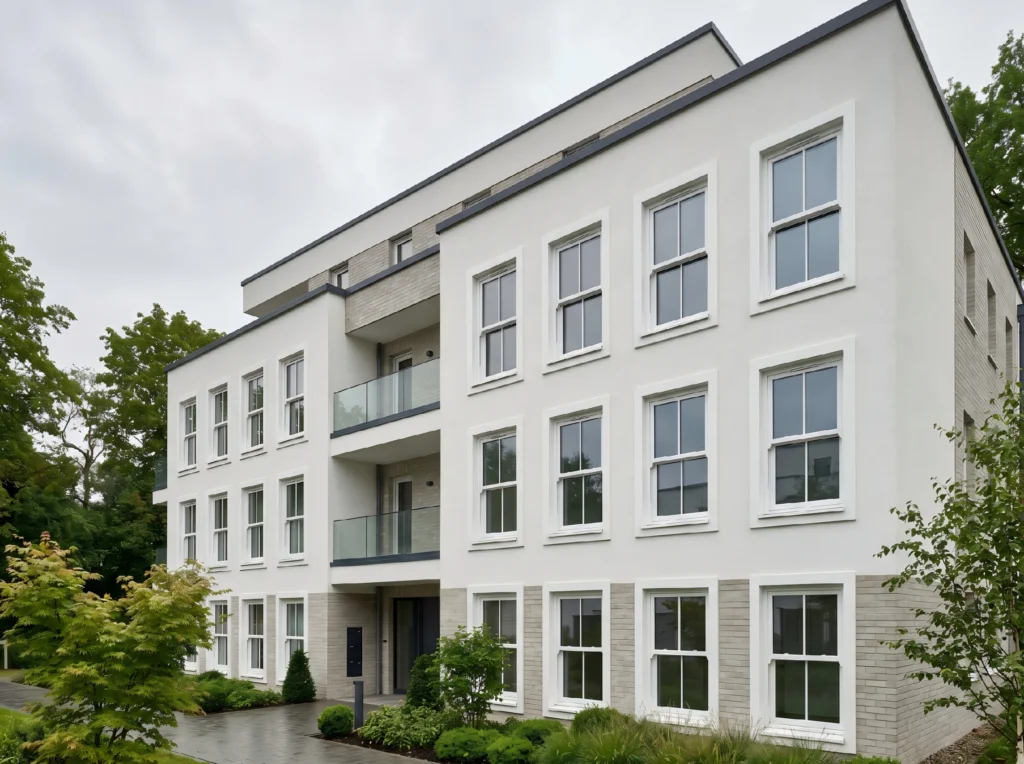
Visual continuity is paramount when delivering turn-key villa projects or commercial developments. Vinyl windows present severe aesthetic limitations; their non-porous thermoplastic surface resists paint adhesion, restricting builders to standard factory-extruded whites or neutrals.
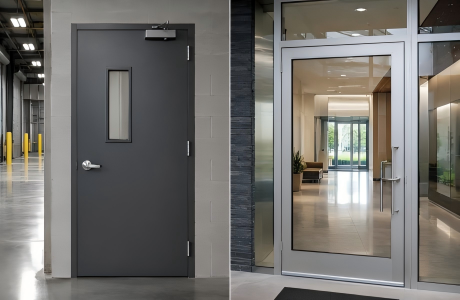
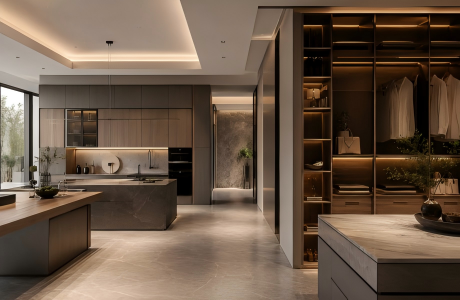
Fiberglass, however, offers complete architectural freedom. It can be factory-finished to match any custom RAL color palette and perfectly mimics the sophisticated texture of natural wood grain. When sourcing a comprehensive project supply package, developers must ensure that their premium Doors & Windows Solutions integrate flawlessly with the exterior building envelope, including premium Marble & Granite cladding, while seamlessly matching the interior transitions of custom Flooring & Staircase installations. The ability to color-match fiberglass fenestration directly elevates the overall market value of the finished asset.
Overcoming Global Supply Chain Bottlenecks with George Homes
The greatest hidden cost for international developers is supply chain fragmentation. Sourcing windows from one factory, stone from another, and millwork from a third leads to severe communication bottlenecks, inconsistent quality control, and unpredictable shipping consolidation delays.
Backed by 20 years of top-tier manufacturing excellence, George Homes eliminates these friction points by providing true “One-Stop Building Project Solutions”.
When you partner with us, your project is assigned a Dedicated Project Manager who acts as your single point of contact. We handle the entire procurement lifecycle—from in-house shop drawing refinement and structural engineering to strict factory quality control and synchronized container consolidation. We invite overseas building contractors, project managers, and developers to visit our expansive physical showrooms and manufacturing facilities in China to experience our premier engineering standards firsthand.
Frequently Asked Questions
Yes. While fiberglass costs roughly 15% to 30% more upfront than premium vinyl, its 50-year lifespan and zero-maintenance profile yield a significantly higher long-term ROI. For commercial developments and luxury villas, avoiding premature seal failures and structural replacements easily justifies the initial capital expenditure.
Yes. Vinyl frames expand and contract up to seven times more than glass under thermal stress, which can eventually compromise weather seals. Conversely, fiberglass expands at the exact same rate as glass, ensuring permanent airtightness and preventing gas leaks in insulated glazing units.
Fiberglass is the superior choice for coastal projects. It offers exceptional structural resistance to high hurricane-force wind loads and is entirely impervious to salt-water corrosion. While vinyl also resists corrosion, intense coastal UV radiation can cause standard thermoplastic frames to degrade and discolor over time.
Yes. Unlike vinyl, which has a non-porous thermoplastic surface that severely resists paint adhesion, fiberglass frames can be easily sanded and repainted onsite. This provides developers and property owners with immense architectural flexibility for future aesthetic renovations or commercial rebranding.
Industry Standards & References
To ensure verifiable project compliance, procurement teams should reference the following international testing protocols when assessing fenestration materials:
- ASTM D638: Standard Test Method for Tensile Properties of Plastics (verifying the superior yield strength of pultruded composites over thermoplastics).
- ASTM D696: Standard Test Method for Coefficient of Linear Thermal Expansion of Plastics Between −30°C and 30°C (confirming the dimensional stability metrics of glass-to-frame interfaces).
- NFRC / AAMA Guidelines: Establishing certified thermal transmittance (U-factor) and structural wind load performance ratings for commercial buildings.
Ready to Optimize Your Next Project’s Procurement Budget?
Stop dealing with fragmented supply chains and unpredictable quality control. Whether you are specifying custom fiberglass fenestration for a luxury villa or procuring highly economical vinyl packages for a large-scale residential development, George Homes delivers tailored, factory-direct solutions.
Submit your project floor plans or window schedules today for a consolidated wholesale quote. Connect instantly with your Dedicated Project Manager via the WhatsApp icon below, or submit your details through our form for tailored, one-stop engineering solutions.